News Archive
Filter by Division
Filter by Categories
.png)
New Resident Spotlight: Nathan Ryan, MD, MS
August 31, 2026 /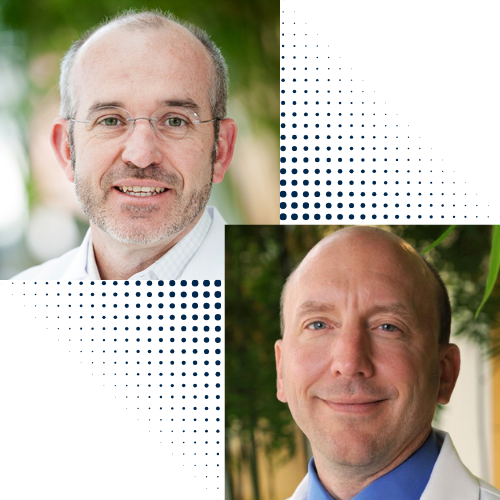
Drs. Simon Hogan and Nicholas Lukacs Receive Strategic Initiative Fund Award to Establish Michigan Center for Human Immunology Model Systems (Mi-CHIM)
August 28, 2026 / AwardDrs. Simon P. Hogan and Nicholas W. Lukacs recently received one of the University of Michigan's first-round Strategic Initiative Fund awards to establish the Michigan Center for Human Immunology Model Systems (MiCHIM), a shared research facility designed to accelerate human-centered immunology research. The center will give researchers access to two key resources: laboratory-grown human immune cells derived from induced pluripotent stem cells (iPSCs), and humanized mouse models that can more accurately capture how the human immune system actually responds, something traditional mouse models often fail to replicate.
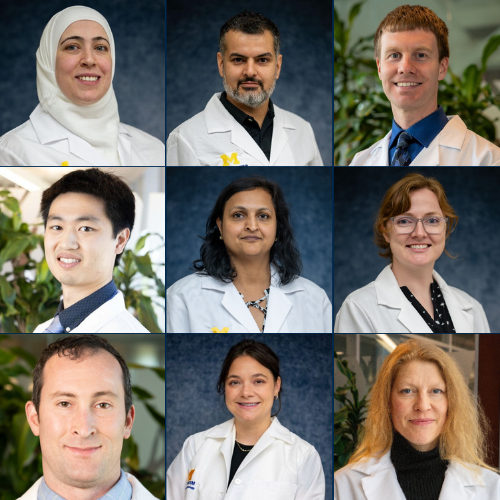
Pathology Welcomes Nine New Clinical Instructors
August 24, 2026 / NewsThe path to becoming a pathologist is long and hard, including medical school, residency, and fellowship training. Today, we welcome nine new Clinical Instructors who have joined the ranks of Pathology faculty for the first time. These Clinical Instructors each work in subspecialty areas and are mentored by our senior pathologists as they enhance their expertise and develop into some of the best-trained pathologists in their fields.
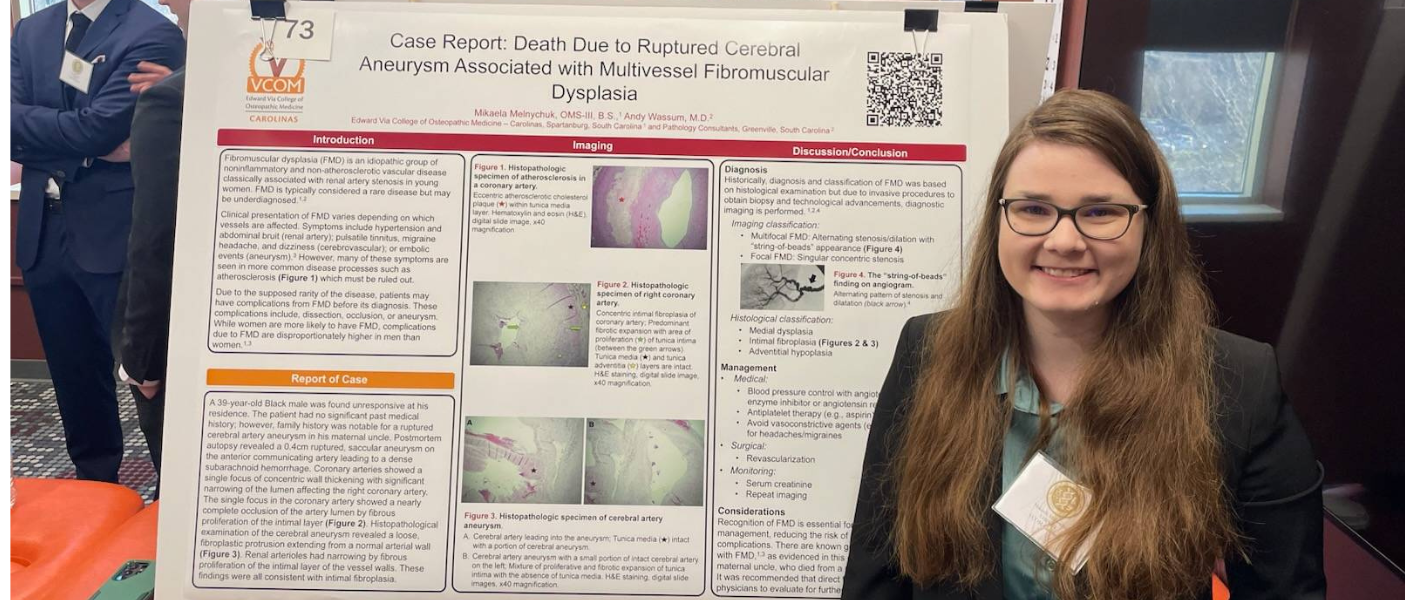
New Resident Spotlight: Mikaela Melnychuk, DO
August 20, 2026 /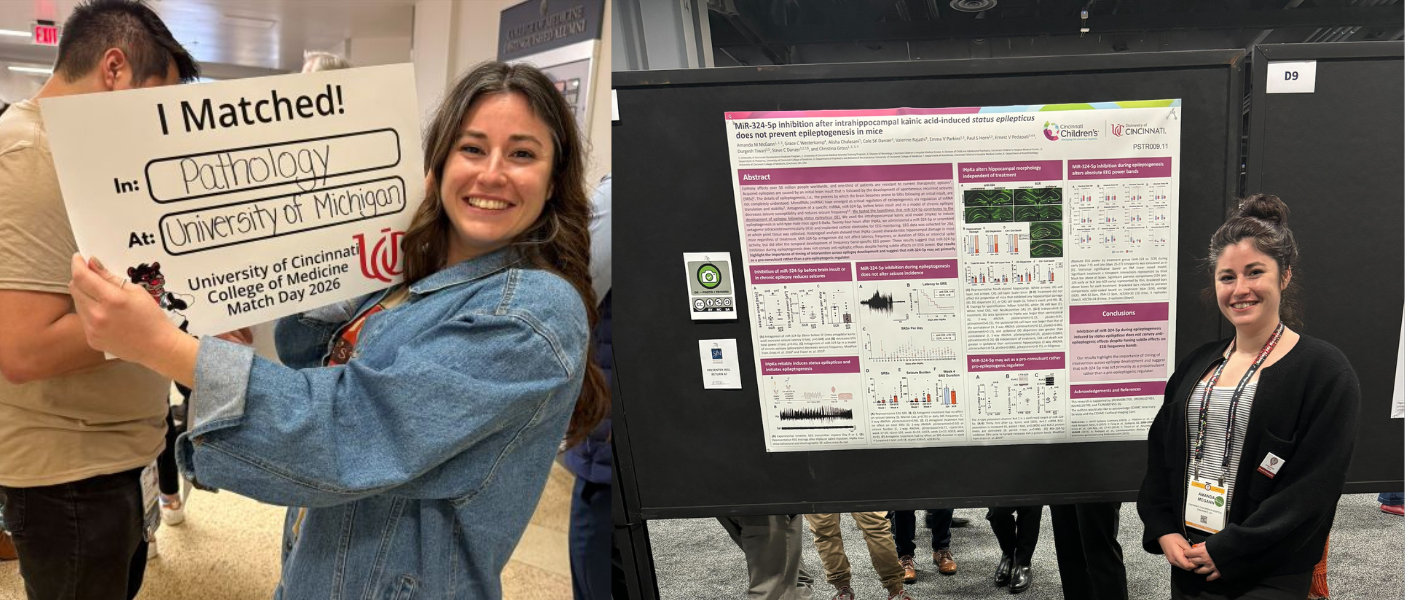
New Resident Spotlight: Amanda McGann, MD, PhD
August 10, 2026 / Residents
Drs. Westerhoff and Kakar Lead New Edition of Diagnostic Pathology: Hepatobiliary and Pancreas
August 7, 2026 / PublicationsDr. Maria Westerhoff, alongside Co-Lead Author Dr. Sanjay Kakar of the University of California, San Francisco, has captured the latest advancements in gastrointestinal pathology in the newly published fourth edition of Diagnostic Pathology: Hepatobiliary and Pancreas. Published by Elsevier, the full-color textbook is now available as a comprehensive, expertly curated guide to one of the most challenging areas in pathology.

Cancer Cell Study Identifies Promising New Therapeutic Strategy for Aggressive Neuroendocrine Prostate Cancer
August 5, 2026 / Prostate CancerResearchers at the University of Michigan have identified a previously unrecognized survival mechanism in neuroendocrine prostate cancer (NEPC), one of the most aggressive and difficult-to-treat forms of prostate cancer. The findings, which have been published in Cancer Cell, uncover a critical vulnerability in NEPC and suggest a novel dual-targeting strategy that could eventually lead to more effective treatment options for patients with advanced disease.
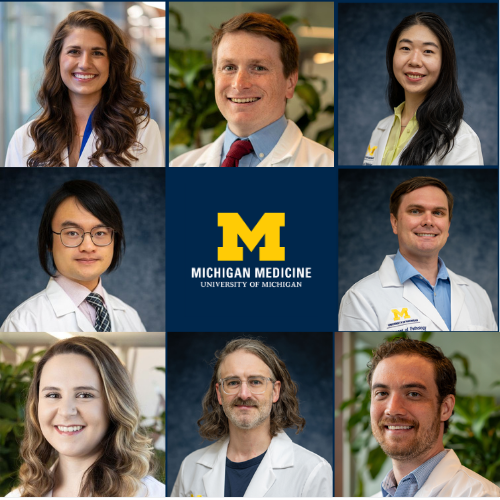
The Department Welcomes Eight New Clinical Fellows
August 3, 2026 / NewsEach year, a new group of clinical fellows joins the department to pursue their training in subspecialty areas as they take their final preparatory step toward becoming independent pathologists serving in hospital laboratories, academic medical centers, reference laboratories, and community laboratory settings. This year, we welcome seven clinical fellows to the department.
 ON THE COVER
 ON THE COVER
 ON THE COVER
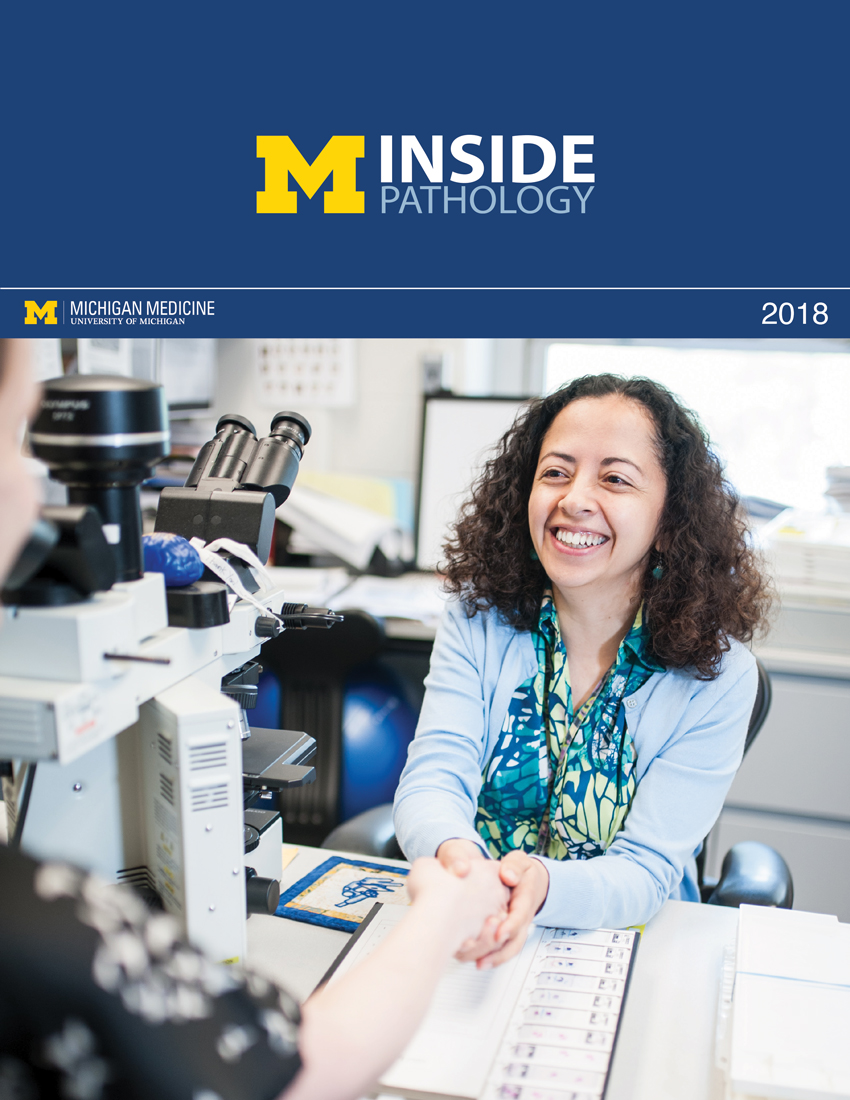 ON THE COVER
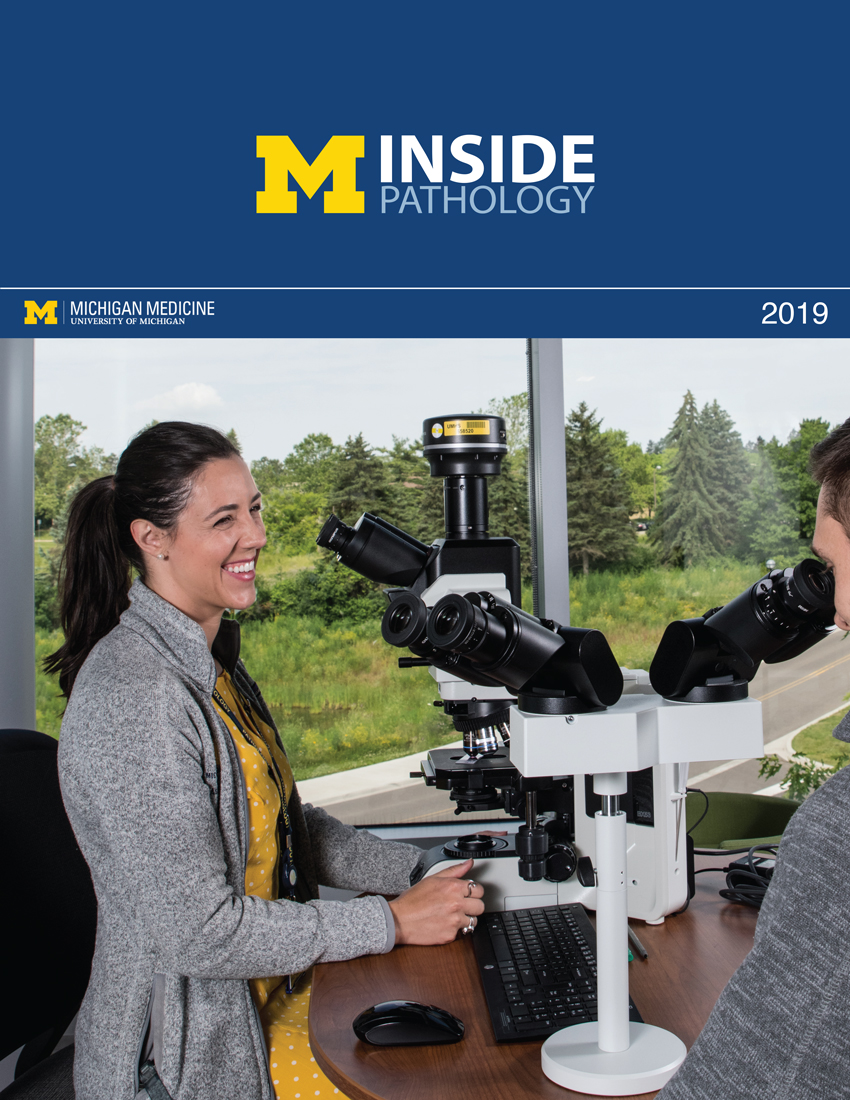 ON THE COVER
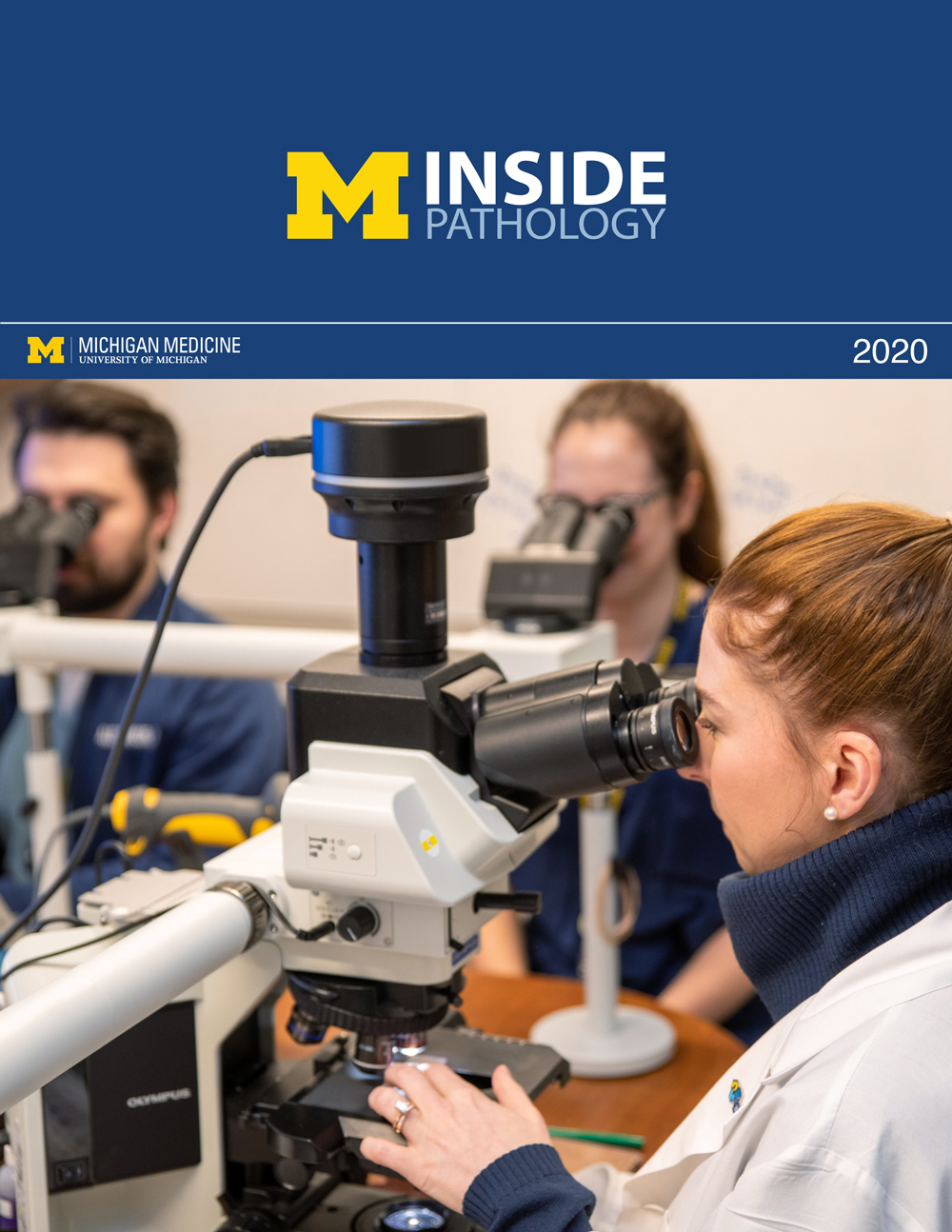 ON THE COVER
 ON THE COVER
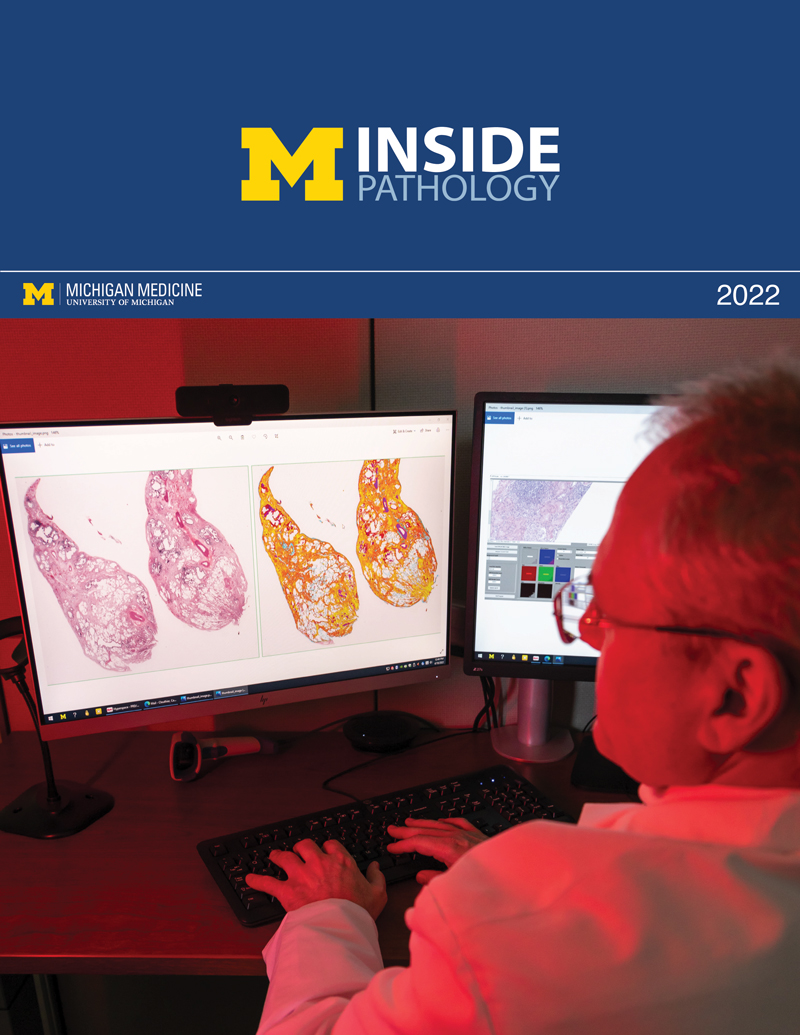 ON THE COVER
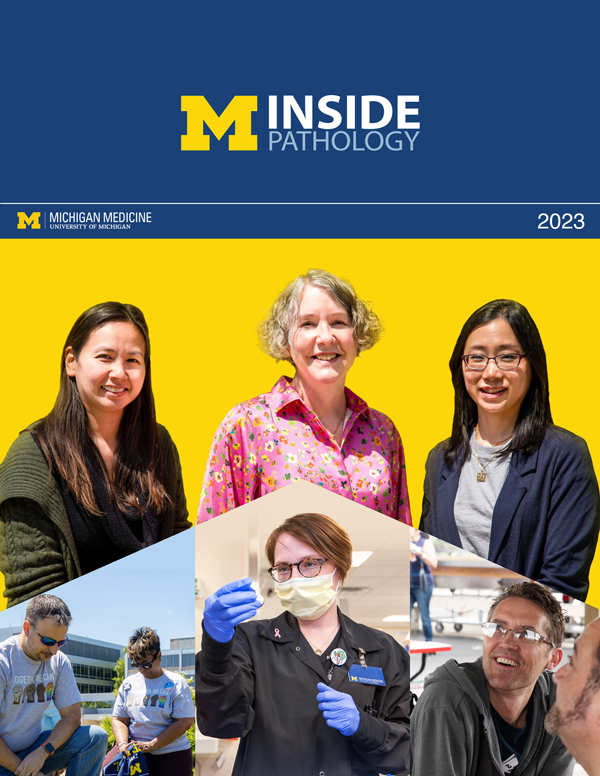 ON THE COVER
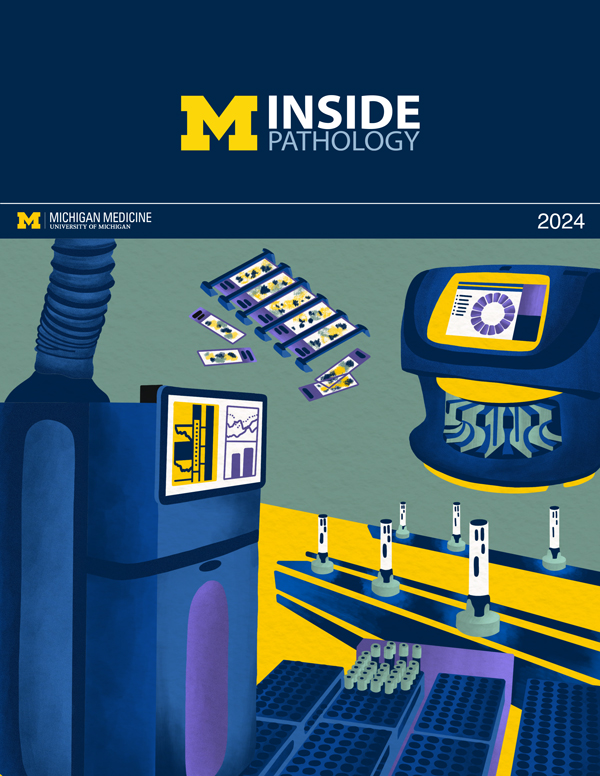 ON THE COVER
 ON THE COVER