Opsidio, LLC Acquired by Insmed, Advancing Anti-SCF Therapy: From Discovery to Clinical trials
By Nicholas Lukacs | March 13The Department of Pathology is pleased to share that Opsidio, LLC, a company co-founded by Nicholas W. Lukacs, PhD, Steven Kunkel, PhD, and Cory Hogaboam, PhD, has been acquired by Insmed. Insmed announced in December 2025 that it had acquired INS1148 (formerly OpSCF), an investigational monoclonal antibody developed by Opsidio, with plans to continue Phase 2 studies initially in interstitial lung disease and moderate-to-severe asthma.
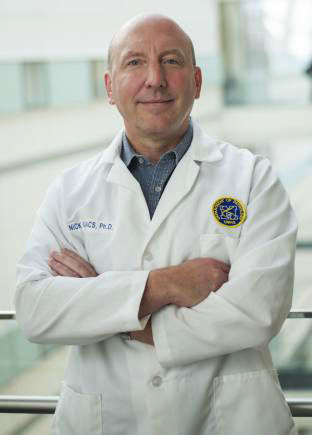 To move this discovery toward clinical translation, the anti-SCF program was “spun out” in 2012 as Opsidio, creating a dedicated biotechnology company focused on advancing the therapeutic potential of this novel approach. The company, with Lukacs as CSO, worked over the following decade to develop the program into a clinical-stage asset, culminating in its acquisition by Insmed.
The scientific foundation for this program began in the mid-1990s in the Lukacs Laboratory in collaboration with Kunkel at the University 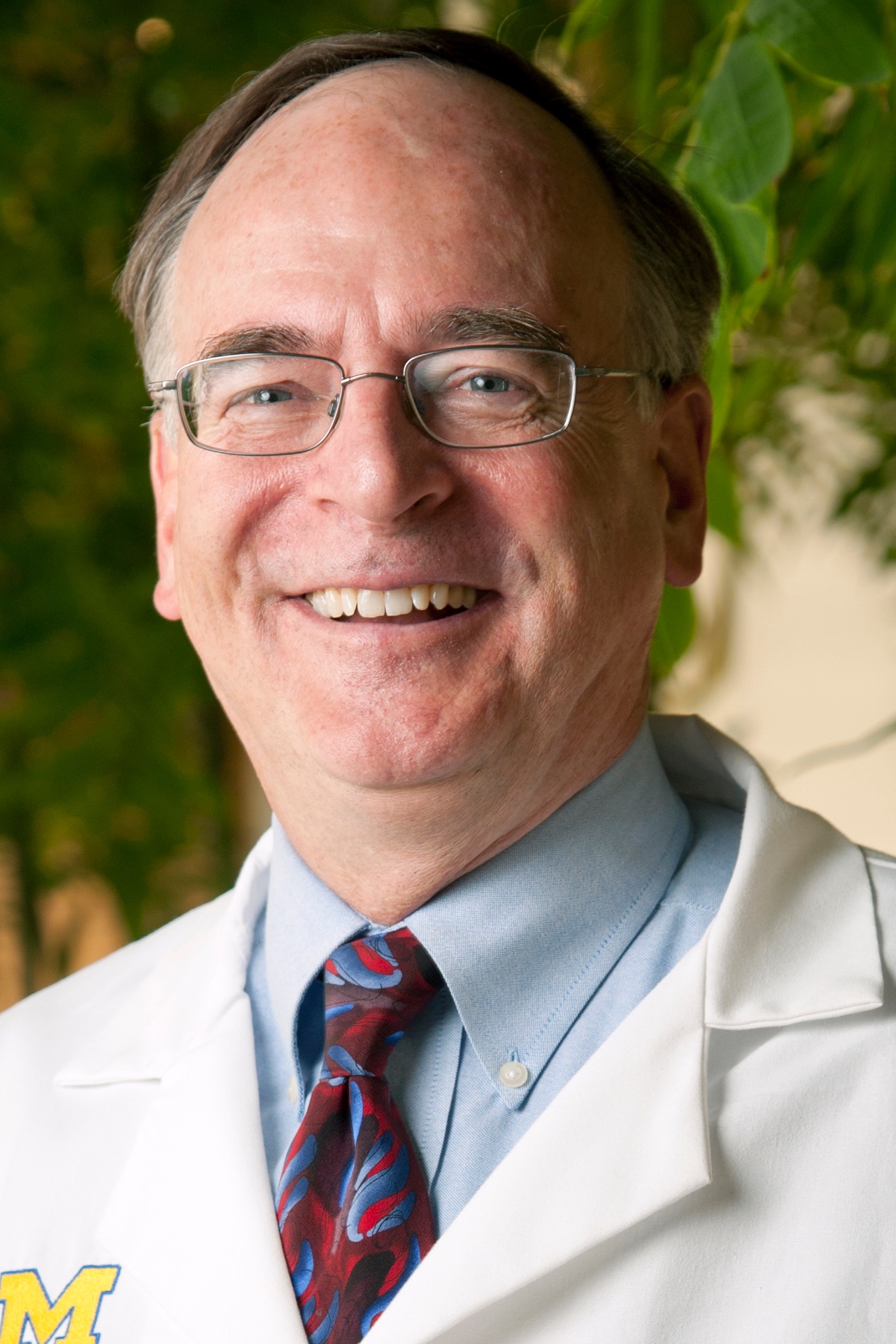 of Michigan, where early studies focused on the role of Stem Cell Factor (SCF) in inflammation and immune-mediated tissue pathology. Over the years, along with collaborations with the Hogaboam and Phan labs, they defined the importance of SCF biology in chronic inflammatory disease and supported the development of a therapeutic strategy. This included later studies by Drs. Catherine Ptaschinski, Wendy Fonseca, and Asma Nusrat aimed to selectively block the inflammatory SCF248 pathway while preserving critical homeostatic and tissue-repair functions.
This milestone reflects the long arc of translational research: from basic discovery in an academic laboratory, to company formation, to the development of a therapeutic candidate now positioned for broader advancement in serious pulmonary and inflammatory diseases. It also highlights the impact of the U-M Pathology Department's research in developing innovative therapies that could improve patient care.
“This is an exciting moment for everyone who contributed to the science and development of this program,” said Lukacs. “What began as basic discovery research in the lab ultimately became a translational effort with real therapeutic promise. Seeing the program move forward with Insmed is a strong validation of the science and of the many people who helped advance it.”
The Department of Pathology congratulates Drs. Lukacs, Kunkel, and Hogaboam, as well as the many trainees, collaborators, and partners whose work helped bring this program from the laboratory bench to this important new stage of development.
 ON THE COVER
 ON THE COVER
 ON THE COVER
 ON THE COVER
 ON THE COVER
 ON THE COVER
 ON THE COVER
 ON THE COVER
 ON THE COVER
 ON THE COVER
 ON THE COVER