
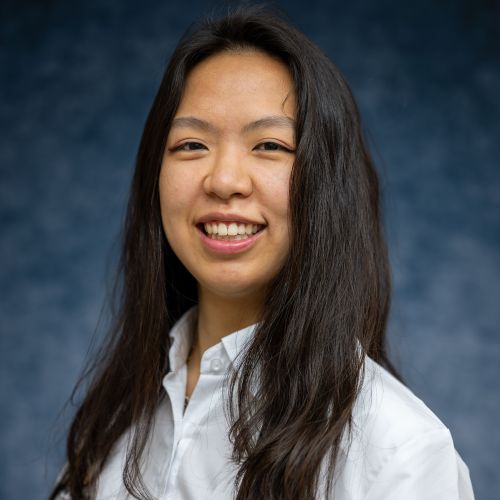
 When Lillian Zhu, MD, first became fascinated by science, it was not through medicine. Growing up in Florida, she was captivated by the vibrant colors of chemistry experiments and imagined a future as an engineer or scientific researcher. That curiosity eventually led her to Stanford University, where she majored in bioengineering and minored in computer science, exploring the intersection of science, technology, and innovation. "I think building things has been a theme throughout my life," Zhu said. "Whether it's scientific projects, art, research, or now learning pathology, I've always enjoyed understanding how things work and creating something meaningful from that knowledge."
An Early Introduction to Pathology
 Before medical school, Zhu spent a year working at a biotechnology startup in the San Francisco Bay Area that specialized in molecular diagnostics, particularly noninvasive prenatal testing. There, she gained early exposure to laboratory medicine while helping manage clinical testing pipelines and participating in assay development, validation work, and maintaining regulatory standards.
"It was the first time I really met a pathologist, who happened to be working in industry," she said. "At the time, I didn't yet see pathology as my future, but looking back, it gave me an important foundation."
Zhu then entered Harvard Medical School's Health Sciences and Technology program, a joint program with MIT, where she received extensive classroom education in subjects including immunology and pathology. Even so, she initially envisioned a career in internal medicine or surgery. It was not until very late in medical school, after completing her first pathology rotation, that she realized she had found her professional home.
Discovering “My People”
 The experience was transformative. Working alongside faculty mentors such as Stephanie Siegmund, MD, and other educators, Zhu discovered a specialty that combined rigorous scientific thinking with opportunities for meaningful patient impact.
"I loved the intellectual challenge, but what really stood out was the people," Zhu said. "The pathologists I met were thoughtful, curious, approachable, and still genuinely excited about what they do. I remember thinking that these are my people."
For Zhu, pathology offered something she had not found elsewhere: a community of physicians who maintained their curiosity, empathy, and individuality while making critical contributions to patient care. "Pathology lets you stay curious," she said. "You can be thorough, think deeply, and still contribute and innovate in very important ways."
Why Michigan?
 As she explored residency programs, Zhu sought more than academic excellence. Having experienced highly competitive environments throughout her training so far, she wanted a program where collaboration, mentorship, and community were valued alongside clinical and educational rigor. Michigan quickly stood out.
"I was looking for a place where people genuinely seemed to enjoy working together," she said. "The culture here was memorable. It was clear that residents supported one another, faculty were invested in teaching, and people had lives outside of work."
The department's reputation, case volume, and breadth of training were important factors, but it was the people who ultimately convinced her to rank Michigan first.
"I stayed in touch with some of the faculty after my interview," Zhu said. "Everyone was incredibly welcoming. It felt like a place where I could grow both professionally and personally."
A Strong Start to Residency
Just a few weeks into residency, Zhu says those first impressions have already been confirmed.
"The culture is exactly what I hoped it would be," she said. "The faculty have been supportive, the residents are wonderful, and everyone understands that learning takes time. I've felt supported from day one."
One of the most meaningful reminders she received during orientation was that every trainee develops at a different pace, and comparison is futile.
"Faculty really understand that everybody grows at different rates and starts from different places," she said. "That was extremely reassuring." For Zhu, who values continuous learning, the environment has made it easier to embrace the steep learning curve that comes with residency training.
The Art and Science of Pathology
Pathology appeals to Zhu because it combines scientific rigor with skills she has cultivated as an artist.
"As an artist, I naturally notice subtle details," she said. "I enjoy training that skill and learning to recognize the important patterns that help make a diagnosis."
She has already found herself particularly interested in cytopathology, appreciating the discipline's focus on cellular morphology and careful observation. She is also looking forward to exploring additional subspecialties, including gastrointestinal pathology, while gaining more exposure to the many areas of clinical pathology.
"I like learning a lot," Zhu said. "There's so much to experience and so many different paths within pathology."
A Passion for Teaching and Discovery
 Although she is still early in her training, Zhu already knows that teaching will likely remain an important part of her future career.
"I found that I really love teaching," she said. "It's so fun to watch somebody grow."
Her scientific curiosity remains strong as well. After years of research experience in both undergraduate and medical school settings, she hopes to continue pursuing projects that allow her to investigate unanswered questions in medicine, particularly those related to disease mechanisms and emerging health trends. For now, however, her focus is on building a strong foundation as a pathologist.
"I'm excited to see a lot more, learn from different people, and develop my own style," she said.
Creativity Beyond the Laboratory
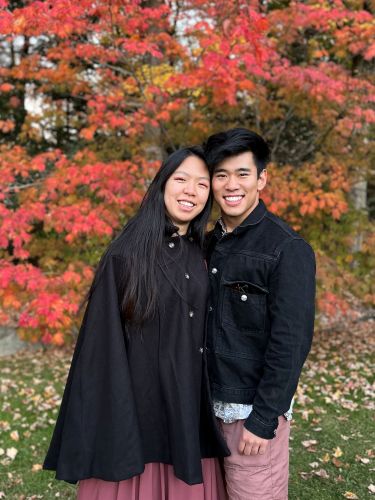
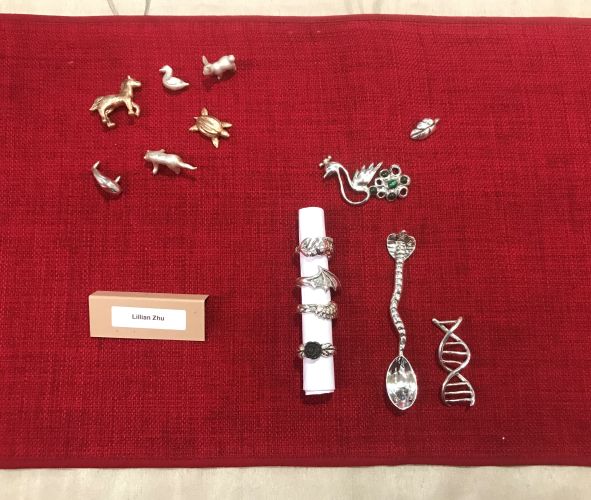
Outside of medicine, Zhu has no shortage of creative outlets. An enthusiastic maker, she enjoys 3D printing, sculpture, painting, hobby electronics, and design projects. Since arriving in Ann Arbor, she has already become known for creating customized gifts and practical tools for friends and colleagues using her 3D printer. She also enjoys cooking and baking, often teaming up with her partner (Will) in the kitchen. Other hobbies include amateur gardening, kayaking, fitness activities, and social dancing.
"I like making things, whether it's art, useful tools, or food," she said. "It's a nice balance to the analytical side of pathology."
Exploring a New Home
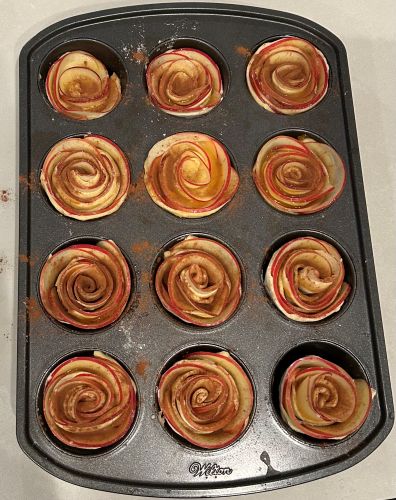 The move to Michigan has opened new opportunities beyond residency. Zhu and her partner have spent much of their free time exploring southeast Michigan, furnishing their new home with incredible vintage items, discovering local restaurants, and enjoying the area's natural beauty. She is especially excited to experience the region's arts and cultural offerings, including the Ann Arbor Art Fair, performing arts venues, and museums.
"There is so much to do here," she said. "I don't think I'll ever be bored."
Advice for Future Pathologists
For medical students considering a career in pathology, Zhu's advice is straightforward.
"You have to try it," she said. "Show up, stay curious, and give yourself grace. Training is a marathon, not a sprint."
She encourages students to keep an open mind and not allow others' perceptions of the specialty to influence their decisions.
"Every day is a new day if something doesn’t click at first," she said. "If you're interested in pathology, be proud of it, and try to become the doctor you wish you and your family members had."
Looking Ahead
As Zhu begins the next chapter of her medical career, she is excited to continue developing her knowledge, confidence, and diagnostic skills while learning from the faculty and residents around her.
"I love teaching, and I love the shifting breadth and depth of knowledge," she said. "Right now, I'm focused on becoming the best pathologist I can be. There's so much to discover, and that's what makes it exciting."
With a passion for science, creativity, and lifelong learning, Zhu is already finding her place in Michigan Pathology, one case, one lesson, and one discovery at a time.
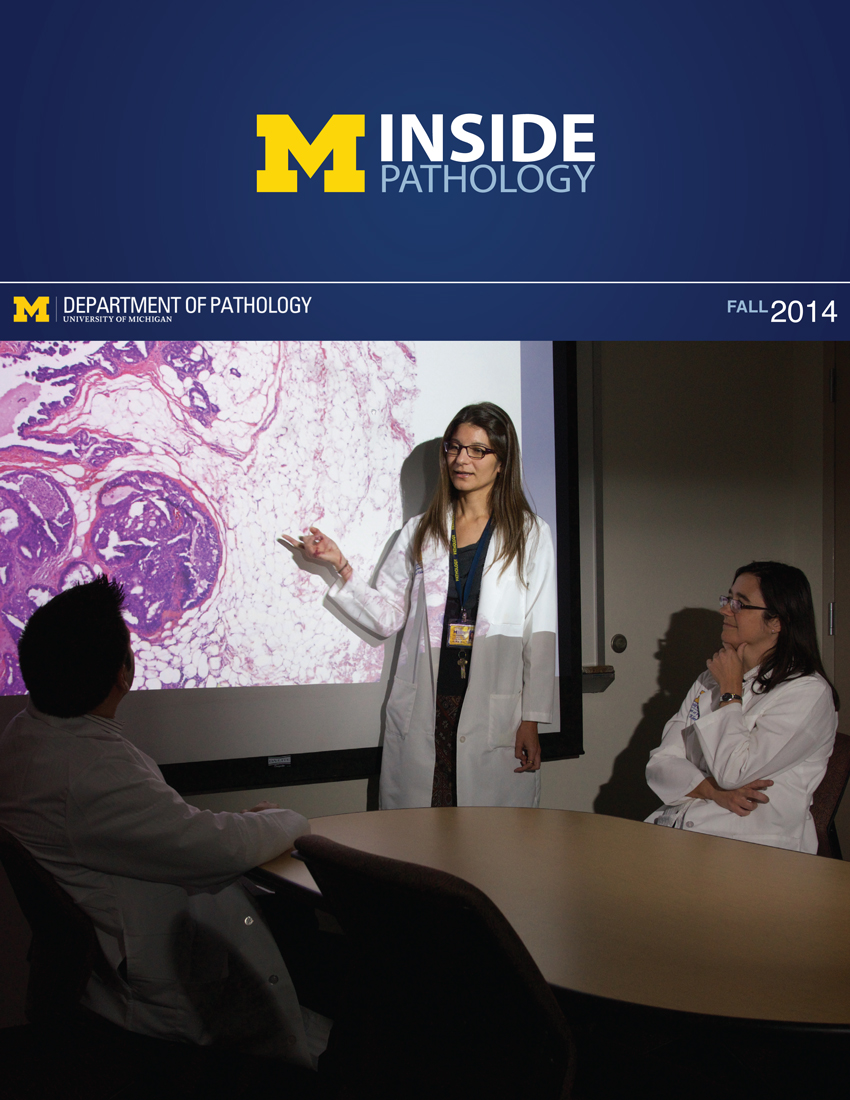 ON THE COVER
Breast team reviewing a patient's slide. (From left to right) Ghassan Allo, Fellow; Laura Walters, Clinical Lecturer; Celina Kleer, Professor. See Article |
newsletter
INSIDE PATHOLOGYAbout Our NewsletterInside Pathology is an newsletter published by the Chairman's Office to bring news and updates from inside the department's research and to become familiar with those leading it. It is our hope that those who read it will enjoy hearing about those new and familiar, and perhaps help in furthering our research. CONTENTS
|
 ON THE COVER
Autopsy Technician draws blood while working in the Wayne County morgue. See Article |
newsletter
INSIDE PATHOLOGYAbout Our NewsletterInside Pathology is an newsletter published by the Chairman's Office to bring news and updates from inside the department's research and to become familiar with those leading it. It is our hope that those who read it will enjoy hearing about those new and familiar, and perhaps help in furthering our research. CONTENTS
|
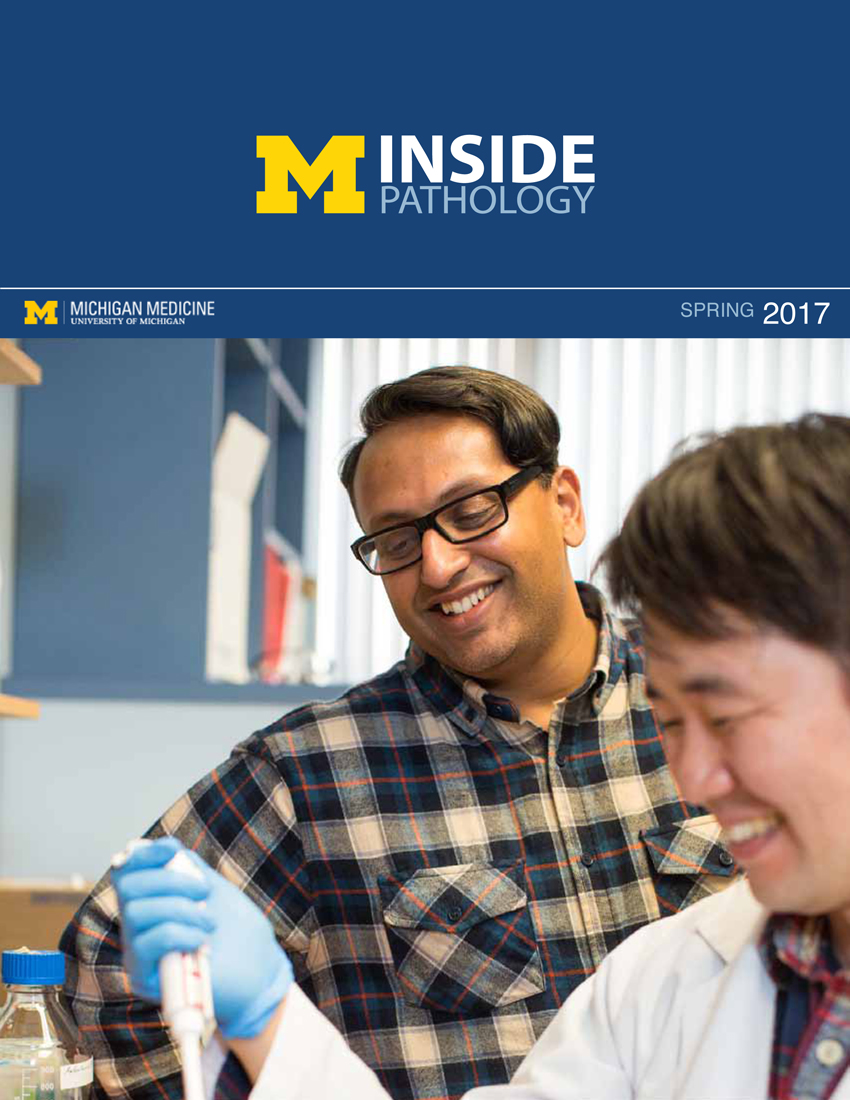 ON THE COVER
Dr. Sriram Venneti, MD, PhD and Postdoctoral Fellow, Chan Chung, PhD investigate pediatric brain cancer. See Article |
newsletter
INSIDE PATHOLOGYAbout Our NewsletterInside Pathology is an newsletter published by the Chairman's Office to bring news and updates from inside the department's research and to become familiar with those leading it. It is our hope that those who read it will enjoy hearing about those new and familiar, and perhaps help in furthering our research. CONTENTS
|
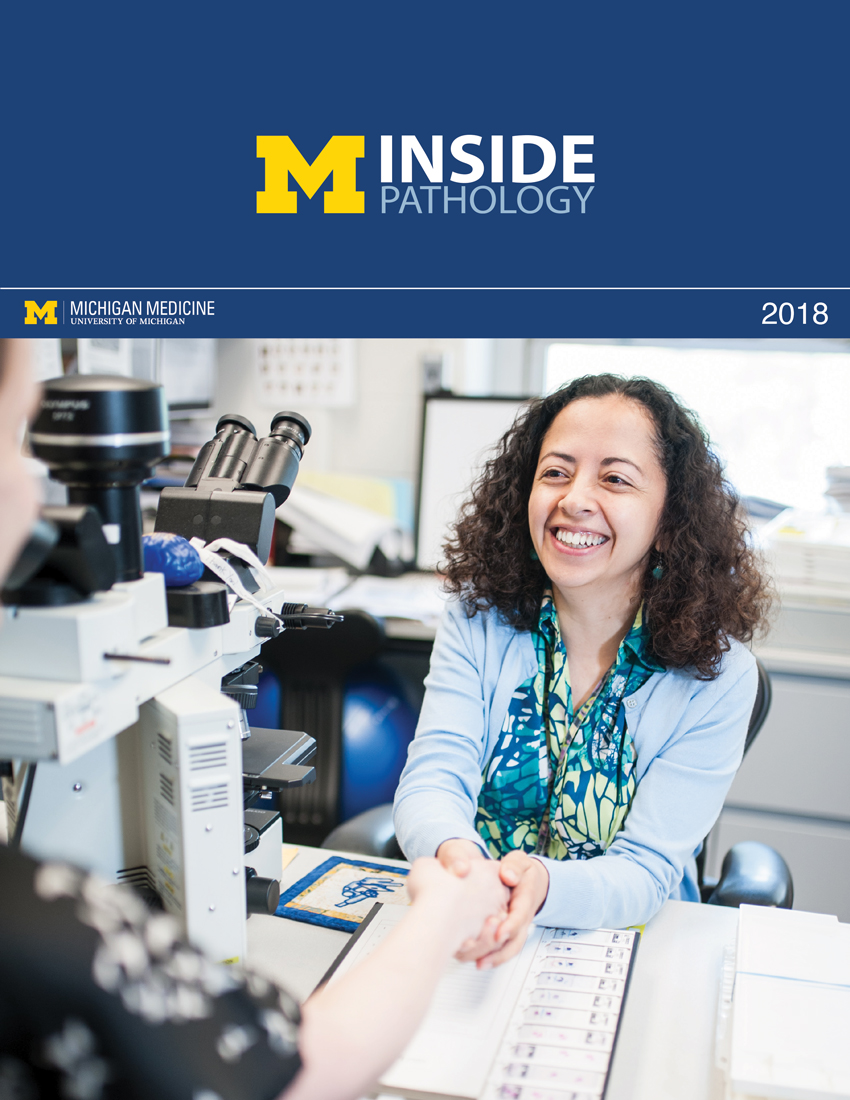 ON THE COVER
Director of the Neuropathology Fellowship, Dr. Sandra Camelo-Piragua serves on the Patient and Family Advisory Council. |
newsletter
INSIDE PATHOLOGYAbout Our NewsletterInside Pathology is an newsletter published by the Chairman's Office to bring news and updates from inside the department's research and to become familiar with those leading it. It is our hope that those who read it will enjoy hearing about those new and familiar, and perhaps help in furthering our research. CONTENTS
|
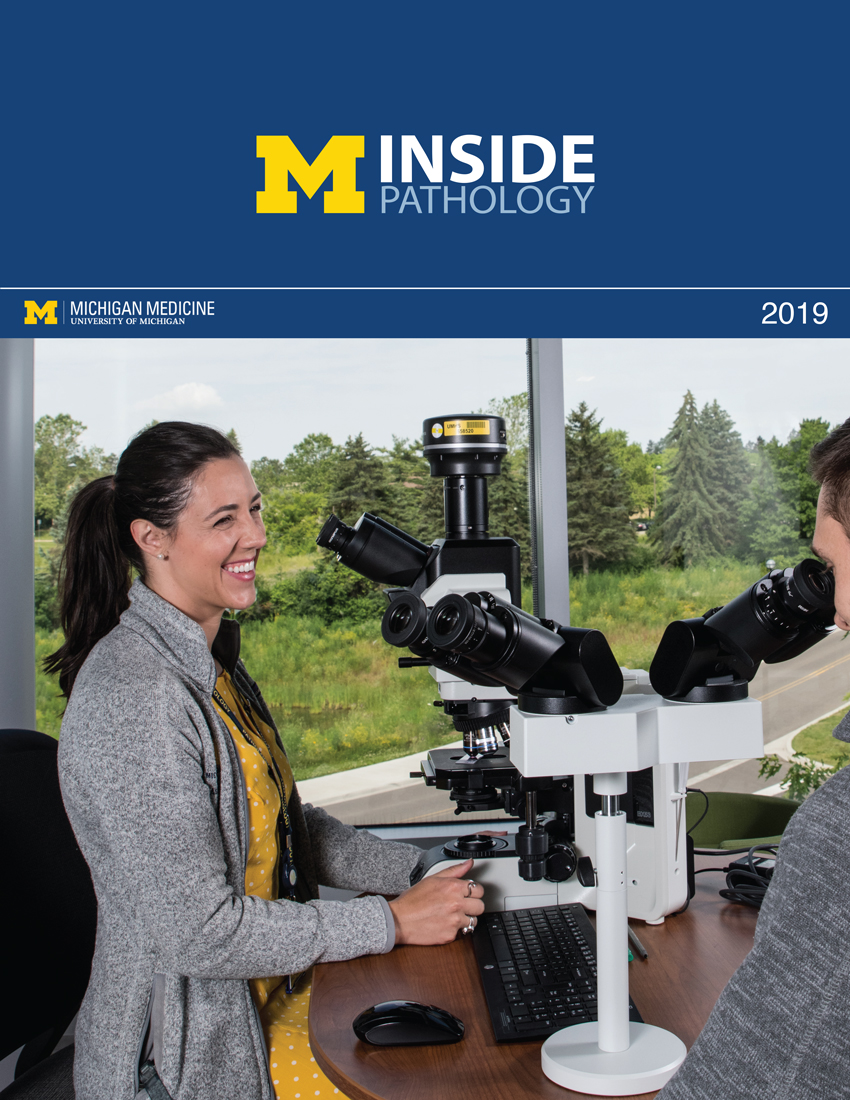 ON THE COVER
Residents Ashley Bradt (left) and William Perry work at a multi-headed scope in our new facility. |
newsletter
INSIDE PATHOLOGYAbout Our NewsletterInside Pathology is an newsletter published by the Chairman's Office to bring news and updates from inside the department's research and to become familiar with those leading it. It is our hope that those who read it will enjoy hearing about those new and familiar, and perhaps help in furthering our research. CONTENTS
|
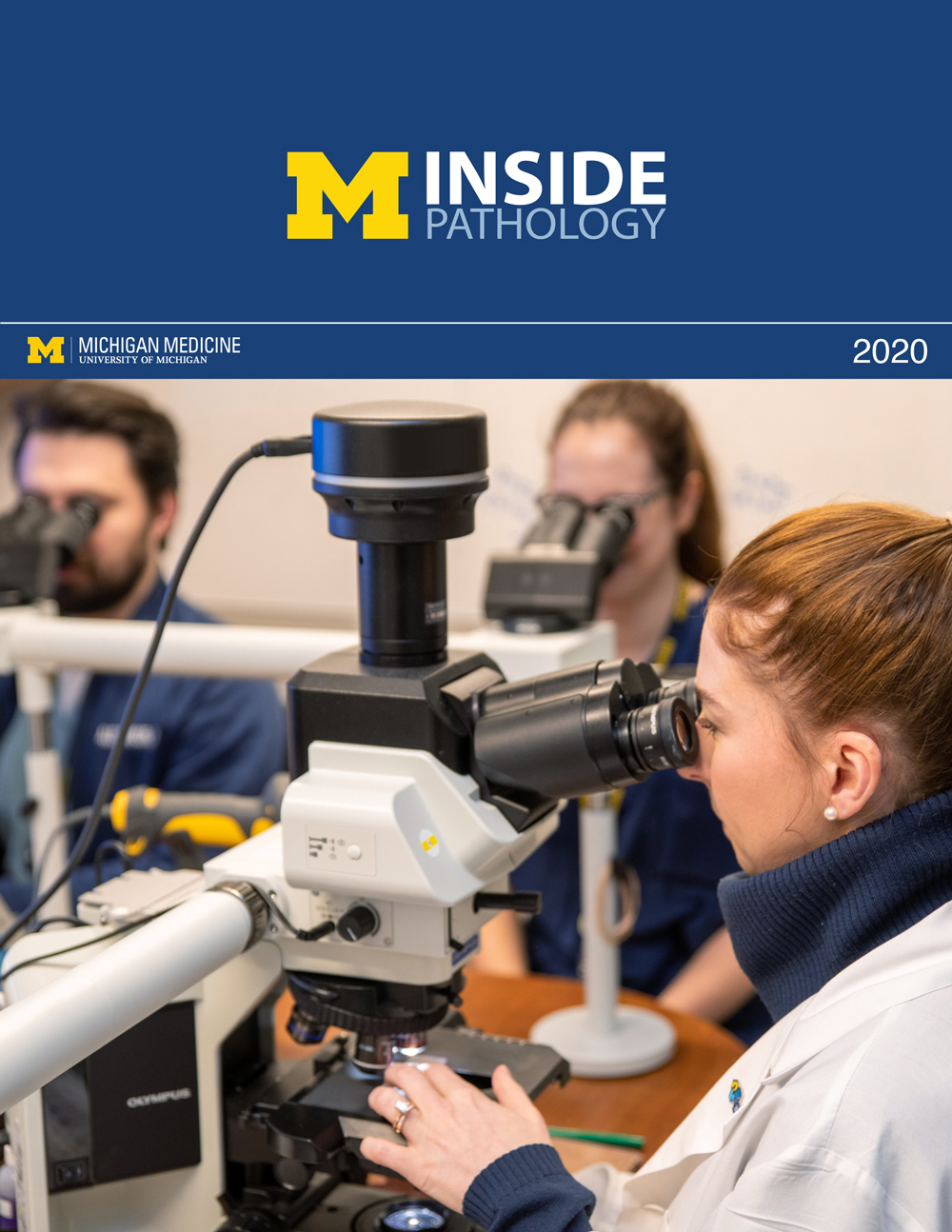 ON THE COVER
Dr. Kristine Konopka (right) instructing residents while using a multi-headed microscope. |
newsletter
INSIDE PATHOLOGYAbout Our NewsletterInside Pathology is an newsletter published by the Chairman's Office to bring news and updates from inside the department's research and to become familiar with those leading it. It is our hope that those who read it will enjoy hearing about those new and familiar, and perhaps help in furthering our research. CONTENTS
|
 ON THE COVER
Patient specimens poised for COVID-19 PCR testing. |
newsletter
INSIDE PATHOLOGYAbout Our NewsletterInside Pathology is an newsletter published by the Chairman's Office to bring news and updates from inside the department's research and to become familiar with those leading it. It is our hope that those who read it will enjoy hearing about those new and familiar, and perhaps help in furthering our research. CONTENTS
|
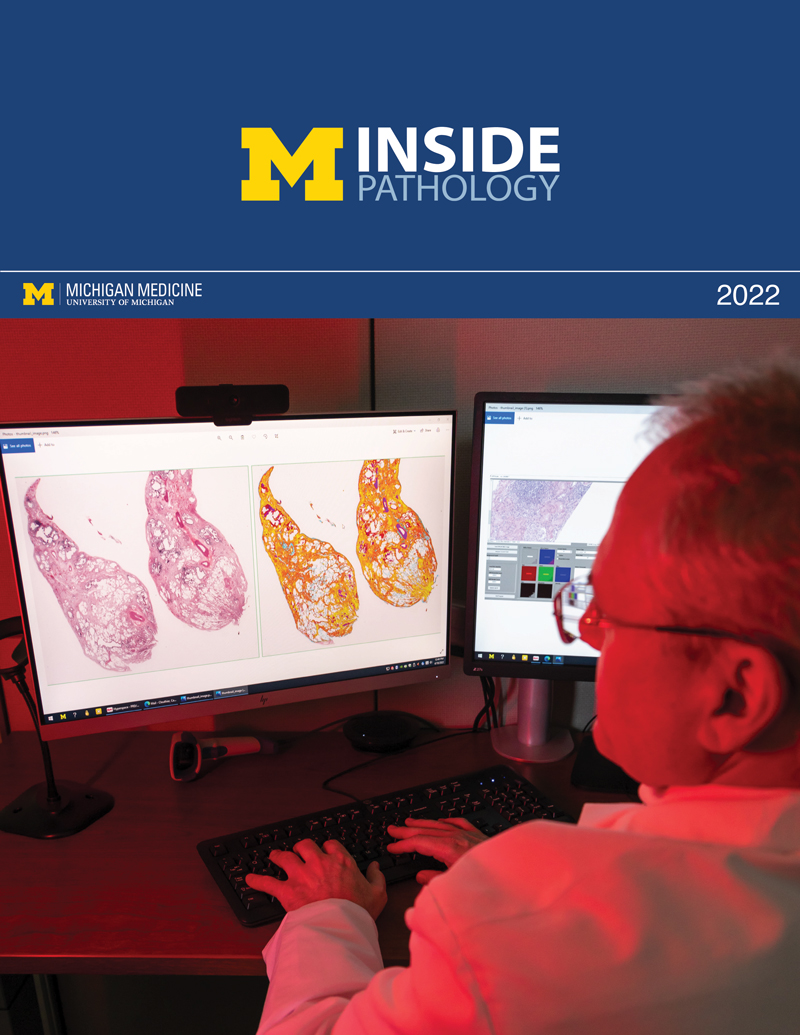 ON THE COVER
Dr. Pantanowitz demonstrates using machine learning in analyzing slides. |
newsletter
INSIDE PATHOLOGYAbout Our NewsletterInside Pathology is an newsletter published by the Chairman's Office to bring news and updates from inside the department's research and to become familiar with those leading it. It is our hope that those who read it will enjoy hearing about those new and familiar, and perhaps help in furthering our research. CONTENTS
|
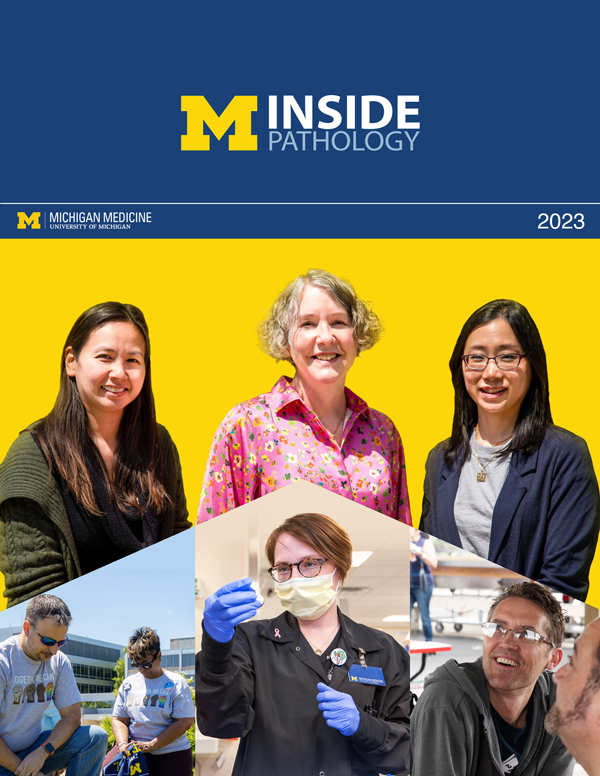 ON THE COVER
(Left to Right) Drs. Angela Wu, Laura Lamps, and Maria Westerhoff. |
newsletter
INSIDE PATHOLOGYAbout Our NewsletterInside Pathology is an newsletter published by the Chairman's Office to bring news and updates from inside the department's research and to become familiar with those leading it. It is our hope that those who read it will enjoy hearing about those new and familiar, and perhaps help in furthering our research. CONTENTS
|
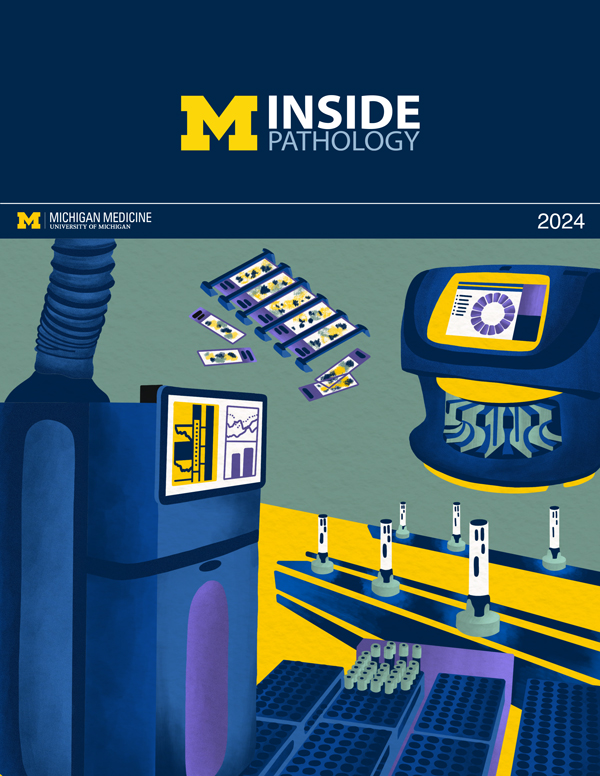 ON THE COVER
Illustration representing the various machines and processing used within our labs. |
newsletter
INSIDE PATHOLOGYAbout Our NewsletterInside Pathology is an newsletter published by the Chairman's Office to bring news and updates from inside the department's research and to become familiar with those leading it. It is our hope that those who read it will enjoy hearing about those new and familiar, and perhaps help in furthering our research. CONTENTS
|
 ON THE COVER
Rendering of the D. Dan and Betty Khn Health Care Pavilion. Credit: HOK |
newsletter
INSIDE PATHOLOGYAbout Our NewsletterInside Pathology is an newsletter published by the Chairman's Office to bring news and updates from inside the department's research and to become familiar with those leading it. It is our hope that those who read it will enjoy hearing about those new and familiar, and perhaps help in furthering our research. CONTENTS
|
MLabs, established in 1985, functions as a portal to provide pathologists, hospitals. and other reference laboratories access to the faculty, staff and laboratories of the University of Michigan Health System’s Department of Pathology. MLabs is a recognized leader for advanced molecular diagnostic testing, helpful consultants and exceptional customer service.