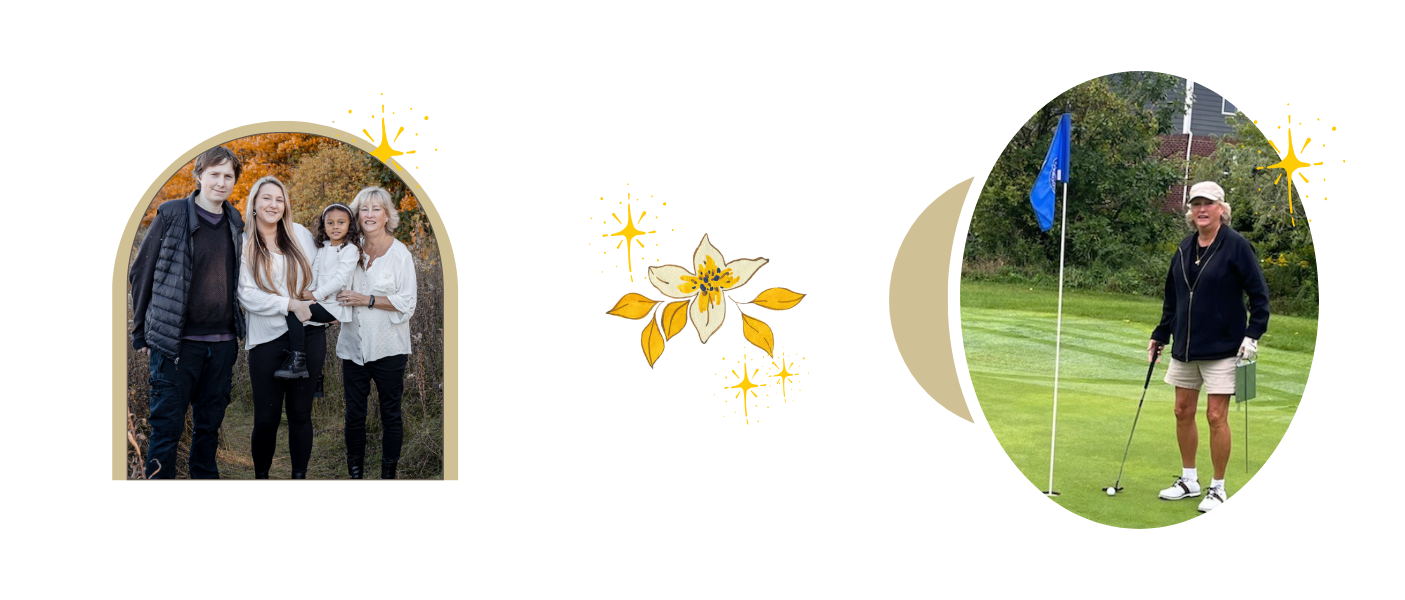
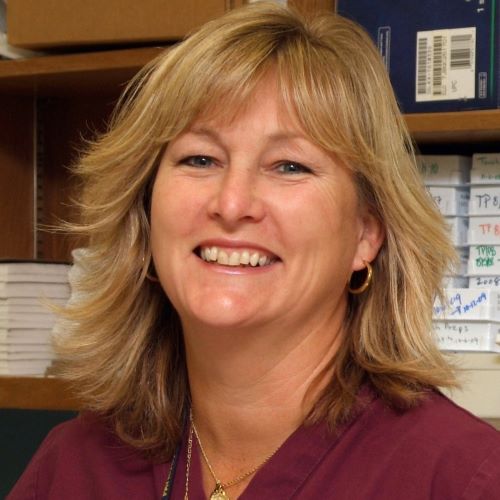
 Susan Clark, MLT, has spent decades doing the kind of essential work most people never see, but patients benefit from every day.
“I grew up in Philadelphia,” Clark says. “My father worked for Gulf Oil,” and when his job transferred the family, her life shifted as well, first to Rhode Island in high school, then later to Michigan in a way she still laughs about. “When I was in Rhode Island, I met what was going to be my future husband, who’s from Michigan. So, after a detour to Pittsburgh to complete my training since my father was transferred again, I came to Michigan because I got married young, at age 21, in 1979, and I have been here ever since.”
Clark studied medical technology because she was drawn to biology and the hands-on side of science. “I’ve always just liked the biology part,” she says. “I’ve always liked science, and I was never really good at math, but I liked the science fields.”
She came to the University of Michigan in 1989 after seeing an ad for medical technologists. “It was part-time,” she remembers, and she started by working every other weekend. By 1990, she became permanent, and she never left. “I’ve been here ever since.”
Today, Clark is a Senior Clinical Technologist in Hematology, but if you ask her what that actually means, she’ll tell you where her heart is. “When I say senior clinical technologist,” she says, “I run the bone marrow area of our lab, and I do all the teaching and training of the manual peripheral slides, peripheral smears.” She calls herself “the back of the house,” because her favorite work is the kind you do with a microscope and your own judgment. “It’s all microscope work that I love,” she says. “I’m not into the automation. Give me a microscope, and that’s what I do best.”
Clark’s bone marrow work is also not just “in the lab.” It’s with patients, often on some of their hardest days. “We go to the patient,” she explains. “We bring all the supplies and do everything but put the needle in the patient.” When the specimen is being drawn, Clark and her team prepare the slides and route everything to the appropriate place, whether that is flow cytometry, cytogenetics, or other areas of pathology, ensuring nothing is missed.
For her, bone marrows are personal. “The best part of bone marrows is we get to be with our patients.” Over the years, she’s watched people at their sickest and sometimes watched them get their lives back. “We see the sickest of the sick, and we see them get better,” she says. “When we come back in the lab and see their counts improving, we’re thrilled. When we see them relapse… we hurt for them.”
Because hematology patients often return regularly, Clark has followed some families for years. “We’ve seen them since they were two,” she says. “And once you’re a pediatric patient, you’re always a pediatric patient. So, some of them are in their 20s and 30s.” She’s stayed connected to families even beyond the hospital. “I’ve gotten close to two different families in particular that I still keep in touch with.”
Part of what Clark is most proud of is the trust built between technologists, providers, and patients. “For me, I’ve made such great relationships with the physicians,” she says, naming the doctors and teams she’s worked alongside, such as Drs. Dale Bixby, Valerie Castle, and Scott Gitlin, and the PAs and NPs who have been there for years, Heather Fox and Tera Mayer. It’s a community, and Clark has been a steady part of it.
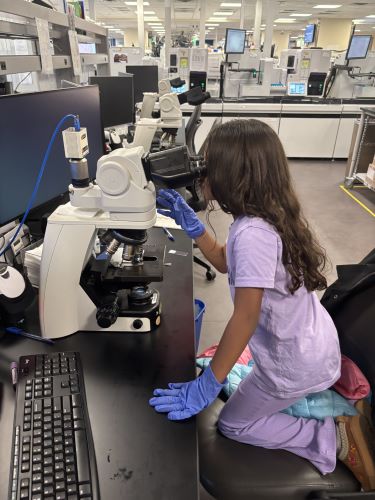 Back at the bench, Clark is also a teacher. “I do a lot of the teaching here,” she says. She trains new hires, teaches manual smear review, and helps MLS interns learn what the work really is. “That’s where we get a lot of our new hires from,” she adds. “When unusual cases appear, I take pictures, and I will share them with the lab, so everybody learns also.”
She has strong feelings about the idea that automation will replace the microscope. Clark appreciates the tools, such as Sysmex and Cellavision, but she’s clear about what matters most. “I know people think that peripheral smears can go to automation, but our population of patients is…so very challenging, as every type of leukemia comes here.” She reflected on how frequently repairs are needed on equipment. “Everything breaks down, but not our eyeballs, right?” Her conclusion is simple. “I think that we will always have eyeballs in the scope.”
When Clark talks about what changed most over the years, she doesn’t start with a new instrument or a new process. She starts with people. “The biggest change was really when a large portion of pathology relocated to the NCRC, and all the pathologists left the UH labs,” she says. Before 2018, residents and fellows read out cases nearby, and learning happened constantly, technologists, pathologists, and trainees shoulder-to-shoulder at the scope. “It was very sad for us,” she says. “They read out right in our back room… and I’ve taught each and every one of the residents bone marrow diffs up until NCRC in 2018. And then they all left us.” She reflected on special friendships with staff like Beverly Smith, Rebecca Roberts, Jeanette Jeffries, and John Perrin. “We would go to the high schools and do their career days to help those kids know what we do in pathology. We loved it!”
She misses the daily in-person teaching culture. “We don’t see the residents, and we don’t see the fellows,” she says. “It’s not the same.” And she worries about what’s been lost for trainees, too. “They’re not learning as much as they used to,” she says of the current setup.
Clark is also honest about what it meant to be a lab professional during COVID. “COVID was one of the biggest challenges for us here in the lab,” she says. “Because we were on the frontline. We had to be here. We were here working 12-hour days, 3 days one week, then 4 days the next.” She’s proud of how her team got through it. “I think we did really well through it,” she adds, “but it was very challenging through COVID.”
Throughout her story, Clark keeps coming back to one theme: her people. “My hematology lab, we’re just one big family,” she says. “And we take care of each other.” She knows it in a way that isn’t theoretical. When her husband was diagnosed with lung cancer in 2005 and died in 2008, she felt supported by coworkers and friends. “Everybody was great,” she says. “It was such a family… meals came my way. They collected money. They didn’t know what to do for me, so they got me a Molly Maid.”
She also faced her own health challenges. “I’ve had breast cancer and a mastectomy,” Clark shares. “Dr. Julie Jorns sat with me and discussed my diagnosis. The lab was so supportive.”
When asked about mentors, Clark answers without hesitation: “Yes, Cathy Martinez.” Cathy was her guide in the bone marrow world and a lasting influence. Clark also names other teachers and leaders who shaped her: “Usha Kota taught me so much,” she says, and she speaks warmly of pathologists she learned from and trusted, Drs. Bertram Schnitzer, Lauren Smith, Will Finn, and Charlie Ross. Charlie has been very kind,” she says. “He can read my bone marrow anytime.”
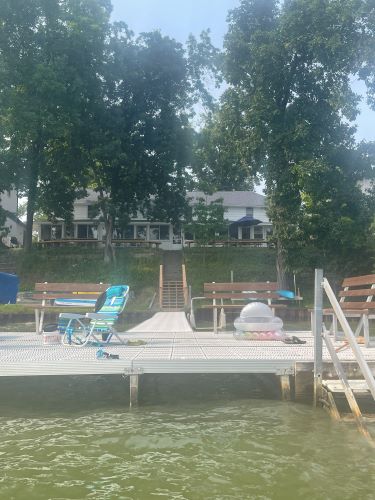 And then there’s Clark outside the lab, a whole life that’s been running in parallel to her hospital career. She’s a Jersey Shore person at heart. “I grew up on the Jersey Shore in North Wildwood, New Jersey,” she says. Every year, she’s made time to go back. “Since 1979, I have been going there for two weeks in July. I’ve never been denied that time off.” In retirement, she’s making these trips longer: “This year, I am taking three or four weeks at the seashore.”
She’s also looking forward to time at her cottage in Cass Lake, golfing more, and visiting friends up north. And she’s got a plan already: “When I get my PTO money, I’m buying myself some new golf clubs.”
Her greatest joy outside of work is her granddaughter. “I have a little granddaughter, Ava,” Clark says. “She is the light of my life.” Ava is six, in kindergarten, and soon going to first grade. Retirement will mean more time together, and Clark notes with practical warmth, “My daughter will pay less for daycare.”
Clark is also proudly loyal to her friendships and her music. She still travels every year with a group of women she’s known since childhood. “We have a group of eight that are still together today,” she says. And she drops a fun fact that sounds like it could only come from Clark: “I haven’t missed a Rolling Stone concert in my life.”
Leaving is not easy. “It’s very bittersweet for me,” she says. “I love what I do.” But she’s clear about what finally tipped the balance: time. “After decades of working four 10-hour days, moving to five 8-hour days changed her work-life rhythm in a way she couldn’t ignore. “I never thought I would work more at the end of my career than I did earlier in my career.”
Susan Clark’s story is about showing up, at the scope, at the bedside, for trainees, and for coworkers when life gets hard. It’s science, skill, and steadiness. It’s “eyeballs in the scope.” It’s family, at home and at work.
We wish you a long and happy retirement filled with sunshine and beaches, golf, and lots of time with friends and family. Susan’s last day is April 7th. Be sure to stop by and wish her well.
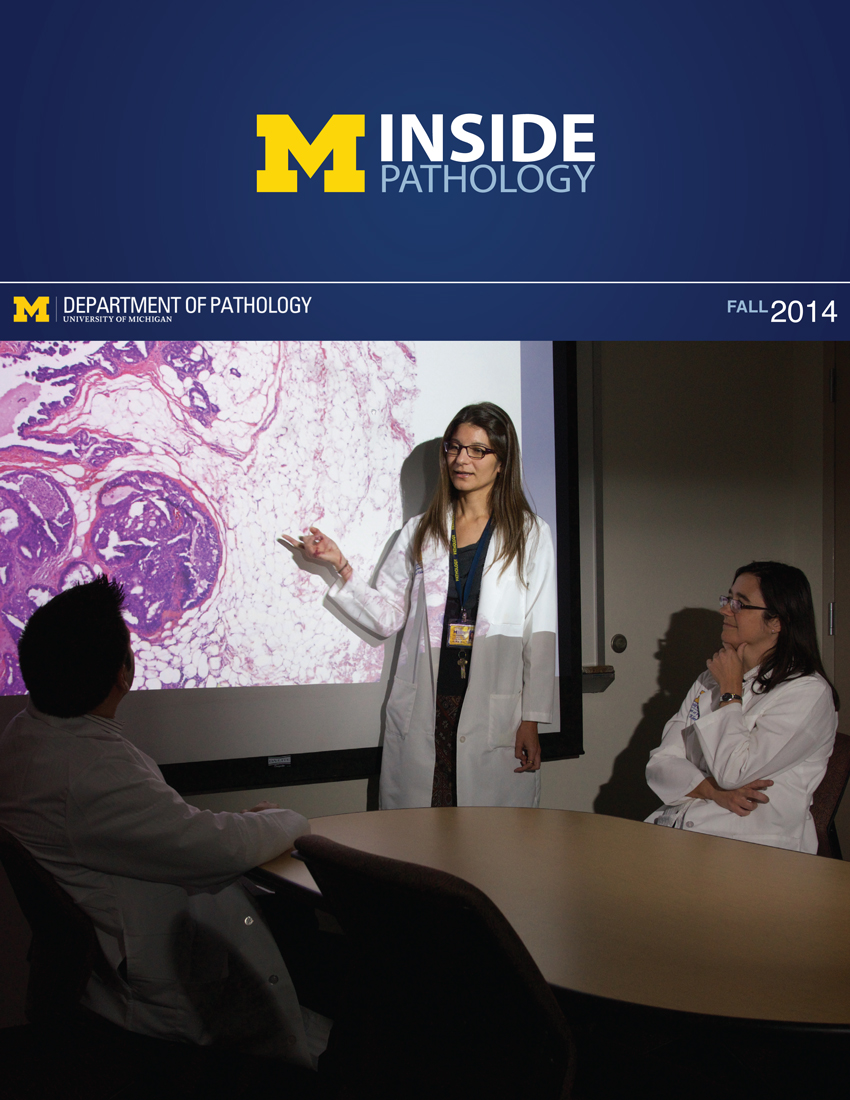 ON THE COVER
Breast team reviewing a patient's slide. (From left to right) Ghassan Allo, Fellow; Laura Walters, Clinical Lecturer; Celina Kleer, Professor. See Article |
newsletter
INSIDE PATHOLOGYAbout Our NewsletterInside Pathology is an newsletter published by the Chairman's Office to bring news and updates from inside the department's research and to become familiar with those leading it. It is our hope that those who read it will enjoy hearing about those new and familiar, and perhaps help in furthering our research. CONTENTS
|
 ON THE COVER
Autopsy Technician draws blood while working in the Wayne County morgue. See Article |
newsletter
INSIDE PATHOLOGYAbout Our NewsletterInside Pathology is an newsletter published by the Chairman's Office to bring news and updates from inside the department's research and to become familiar with those leading it. It is our hope that those who read it will enjoy hearing about those new and familiar, and perhaps help in furthering our research. CONTENTS
|
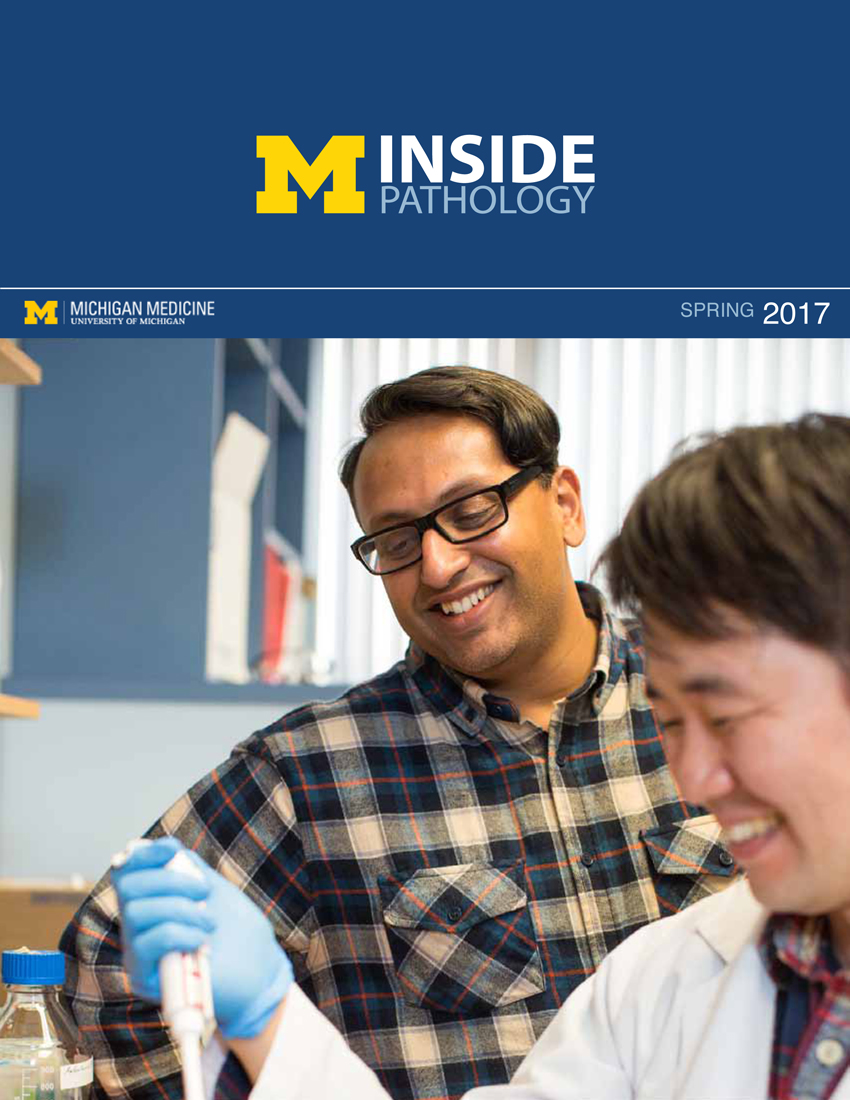 ON THE COVER
Dr. Sriram Venneti, MD, PhD and Postdoctoral Fellow, Chan Chung, PhD investigate pediatric brain cancer. See Article |
newsletter
INSIDE PATHOLOGYAbout Our NewsletterInside Pathology is an newsletter published by the Chairman's Office to bring news and updates from inside the department's research and to become familiar with those leading it. It is our hope that those who read it will enjoy hearing about those new and familiar, and perhaps help in furthering our research. CONTENTS
|
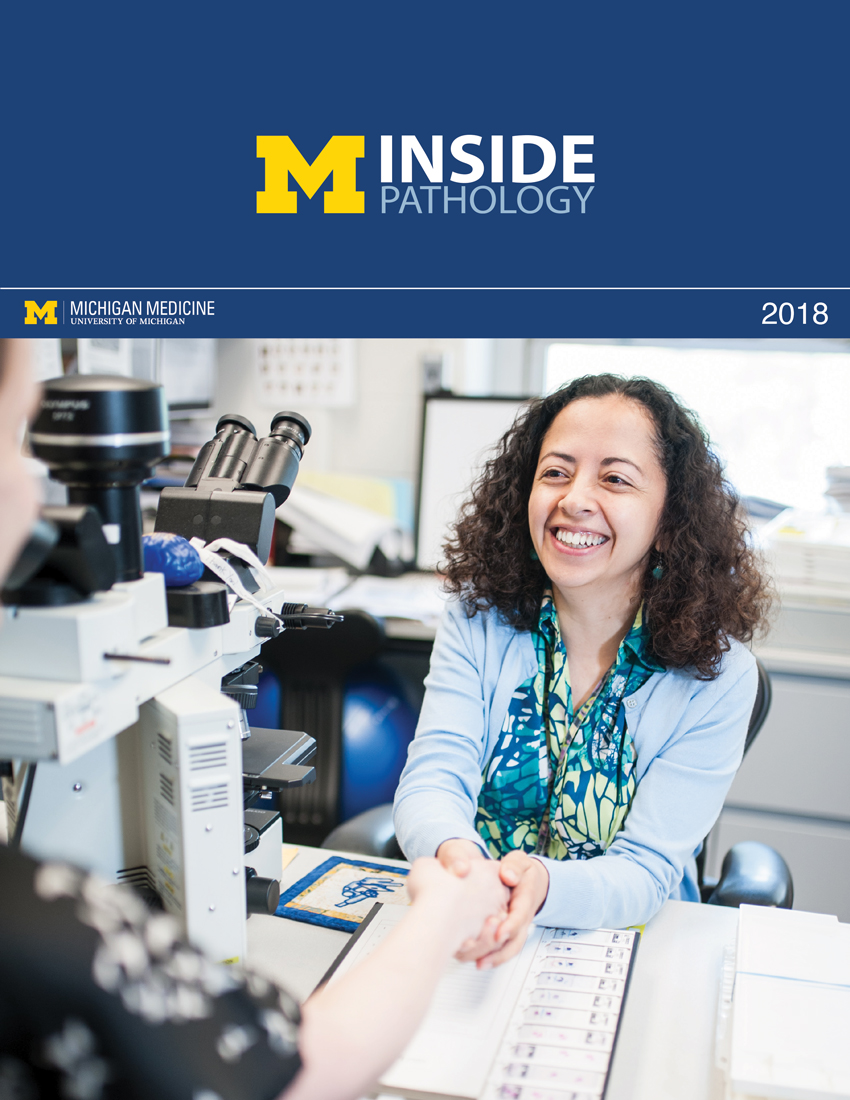 ON THE COVER
Director of the Neuropathology Fellowship, Dr. Sandra Camelo-Piragua serves on the Patient and Family Advisory Council. |
newsletter
INSIDE PATHOLOGYAbout Our NewsletterInside Pathology is an newsletter published by the Chairman's Office to bring news and updates from inside the department's research and to become familiar with those leading it. It is our hope that those who read it will enjoy hearing about those new and familiar, and perhaps help in furthering our research. CONTENTS
|
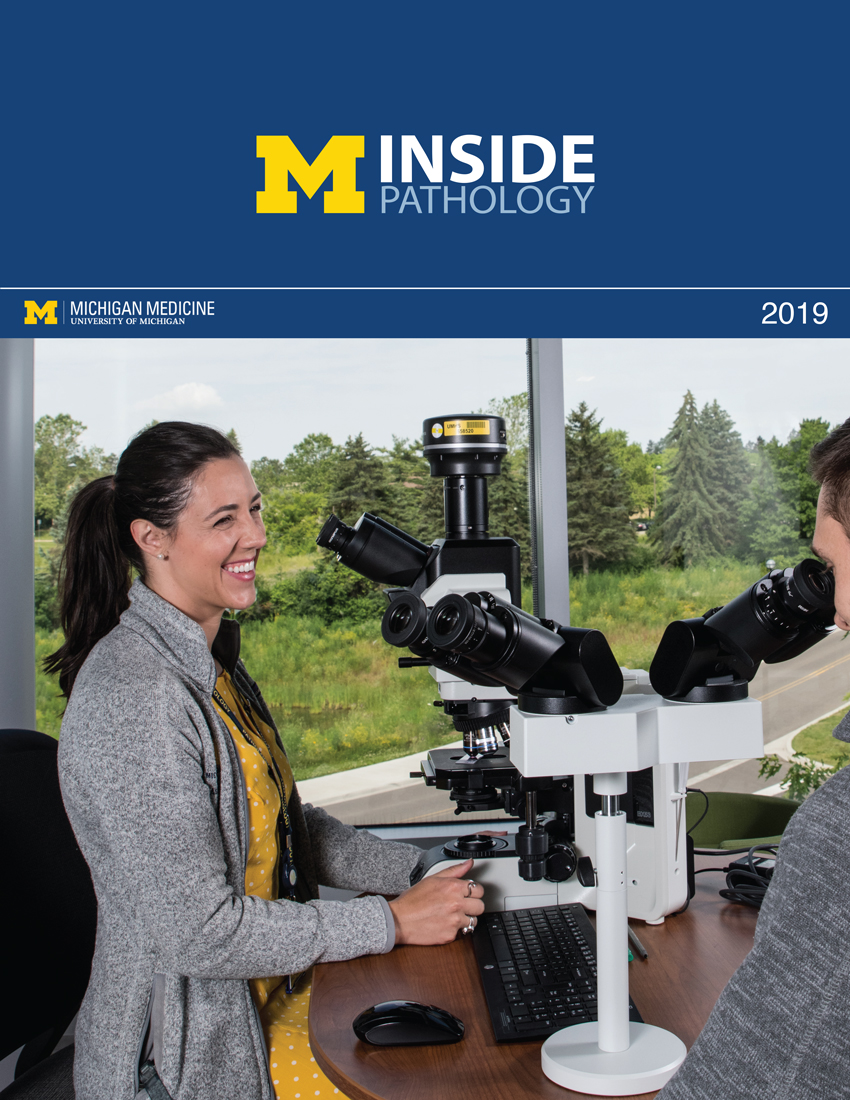 ON THE COVER
Residents Ashley Bradt (left) and William Perry work at a multi-headed scope in our new facility. |
newsletter
INSIDE PATHOLOGYAbout Our NewsletterInside Pathology is an newsletter published by the Chairman's Office to bring news and updates from inside the department's research and to become familiar with those leading it. It is our hope that those who read it will enjoy hearing about those new and familiar, and perhaps help in furthering our research. CONTENTS
|
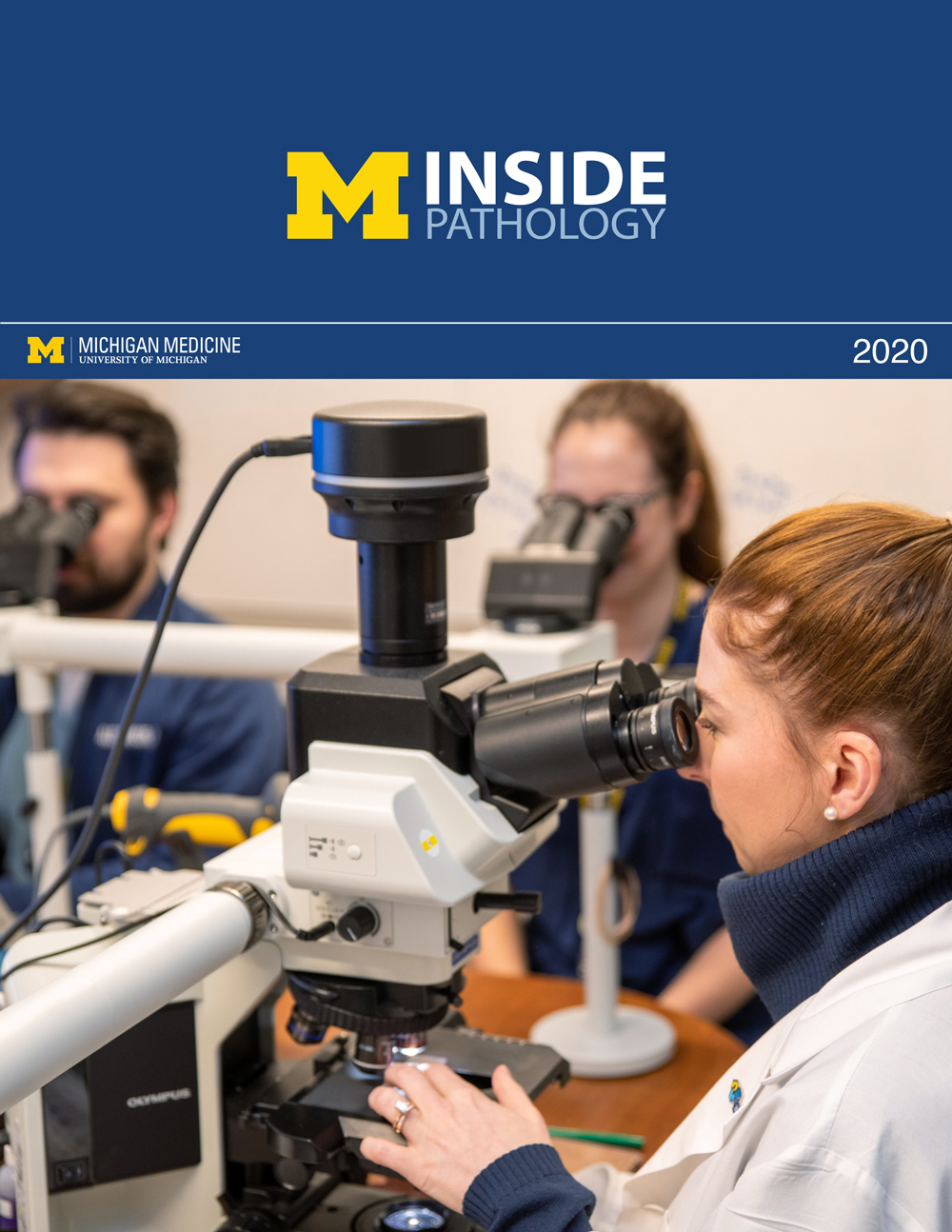 ON THE COVER
Dr. Kristine Konopka (right) instructing residents while using a multi-headed microscope. |
newsletter
INSIDE PATHOLOGYAbout Our NewsletterInside Pathology is an newsletter published by the Chairman's Office to bring news and updates from inside the department's research and to become familiar with those leading it. It is our hope that those who read it will enjoy hearing about those new and familiar, and perhaps help in furthering our research. CONTENTS
|
 ON THE COVER
Patient specimens poised for COVID-19 PCR testing. |
newsletter
INSIDE PATHOLOGYAbout Our NewsletterInside Pathology is an newsletter published by the Chairman's Office to bring news and updates from inside the department's research and to become familiar with those leading it. It is our hope that those who read it will enjoy hearing about those new and familiar, and perhaps help in furthering our research. CONTENTS
|
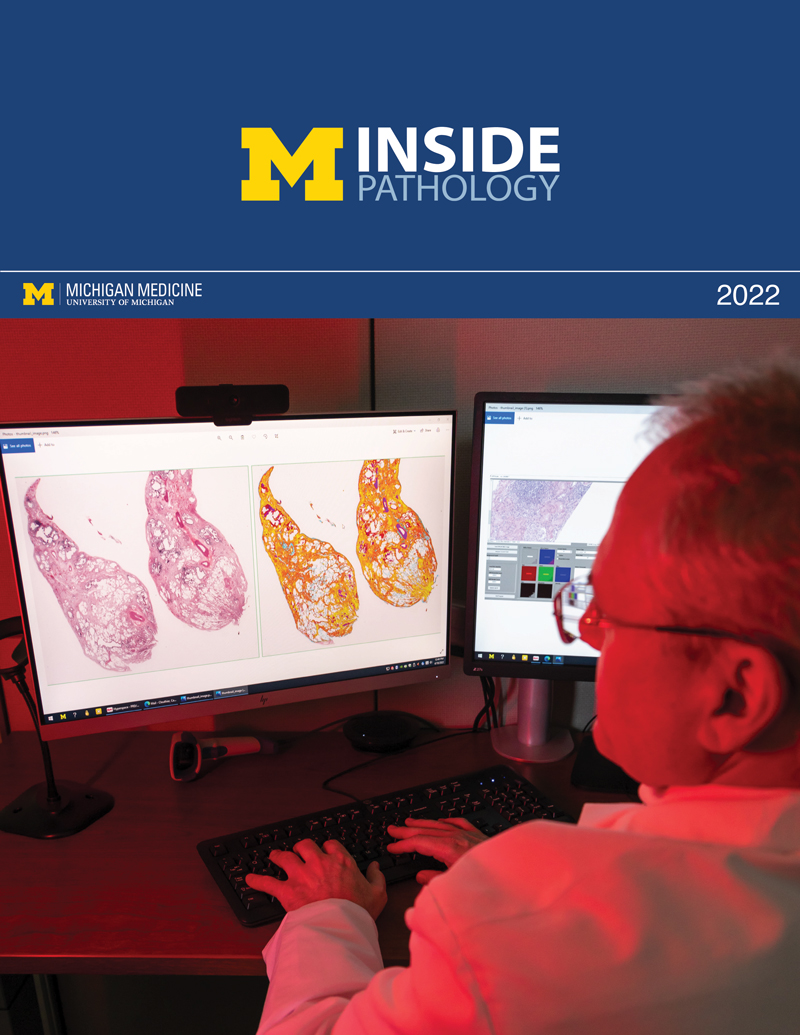 ON THE COVER
Dr. Pantanowitz demonstrates using machine learning in analyzing slides. |
newsletter
INSIDE PATHOLOGYAbout Our NewsletterInside Pathology is an newsletter published by the Chairman's Office to bring news and updates from inside the department's research and to become familiar with those leading it. It is our hope that those who read it will enjoy hearing about those new and familiar, and perhaps help in furthering our research. CONTENTS
|
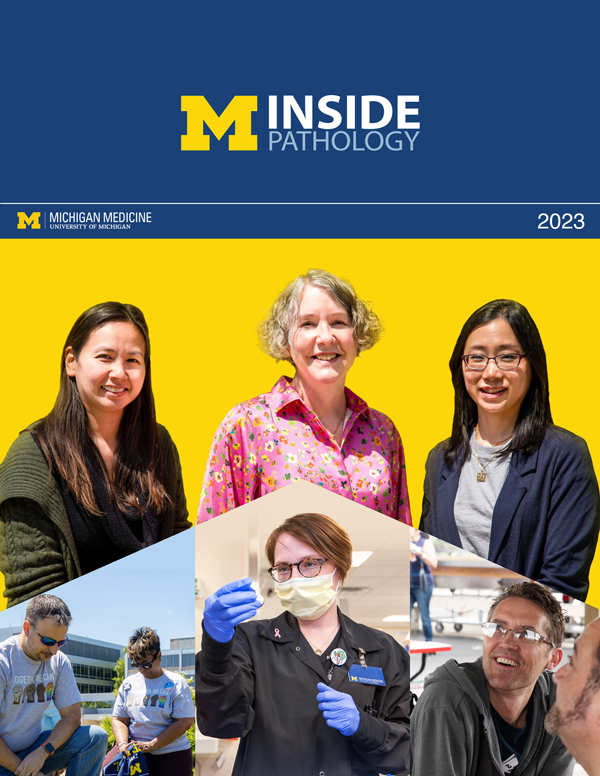 ON THE COVER
(Left to Right) Drs. Angela Wu, Laura Lamps, and Maria Westerhoff. |
newsletter
INSIDE PATHOLOGYAbout Our NewsletterInside Pathology is an newsletter published by the Chairman's Office to bring news and updates from inside the department's research and to become familiar with those leading it. It is our hope that those who read it will enjoy hearing about those new and familiar, and perhaps help in furthering our research. CONTENTS
|
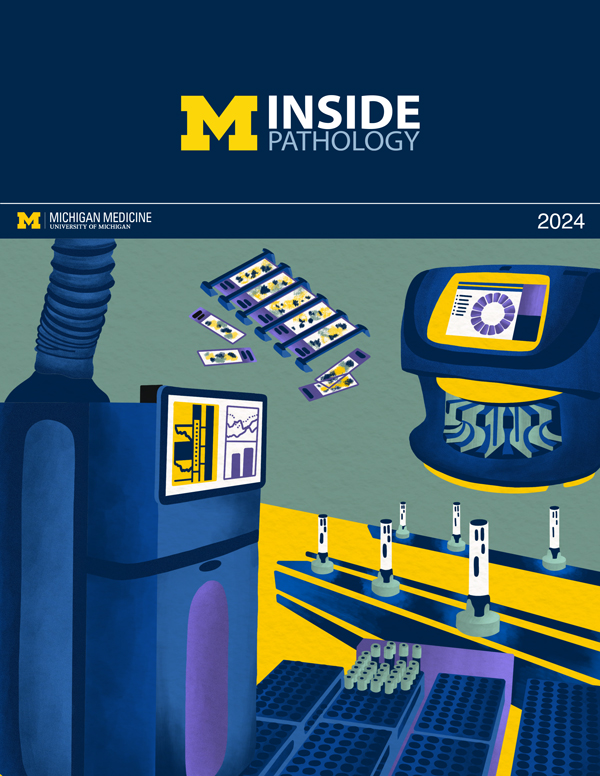 ON THE COVER
Illustration representing the various machines and processing used within our labs. |
newsletter
INSIDE PATHOLOGYAbout Our NewsletterInside Pathology is an newsletter published by the Chairman's Office to bring news and updates from inside the department's research and to become familiar with those leading it. It is our hope that those who read it will enjoy hearing about those new and familiar, and perhaps help in furthering our research. CONTENTS
|
 ON THE COVER
Rendering of the D. Dan and Betty Khn Health Care Pavilion. Credit: HOK |
newsletter
INSIDE PATHOLOGYAbout Our NewsletterInside Pathology is an newsletter published by the Chairman's Office to bring news and updates from inside the department's research and to become familiar with those leading it. It is our hope that those who read it will enjoy hearing about those new and familiar, and perhaps help in furthering our research. CONTENTS
|
MLabs, established in 1985, functions as a portal to provide pathologists, hospitals. and other reference laboratories access to the faculty, staff and laboratories of the University of Michigan Health System’s Department of Pathology. MLabs is a recognized leader for advanced molecular diagnostic testing, helpful consultants and exceptional customer service.