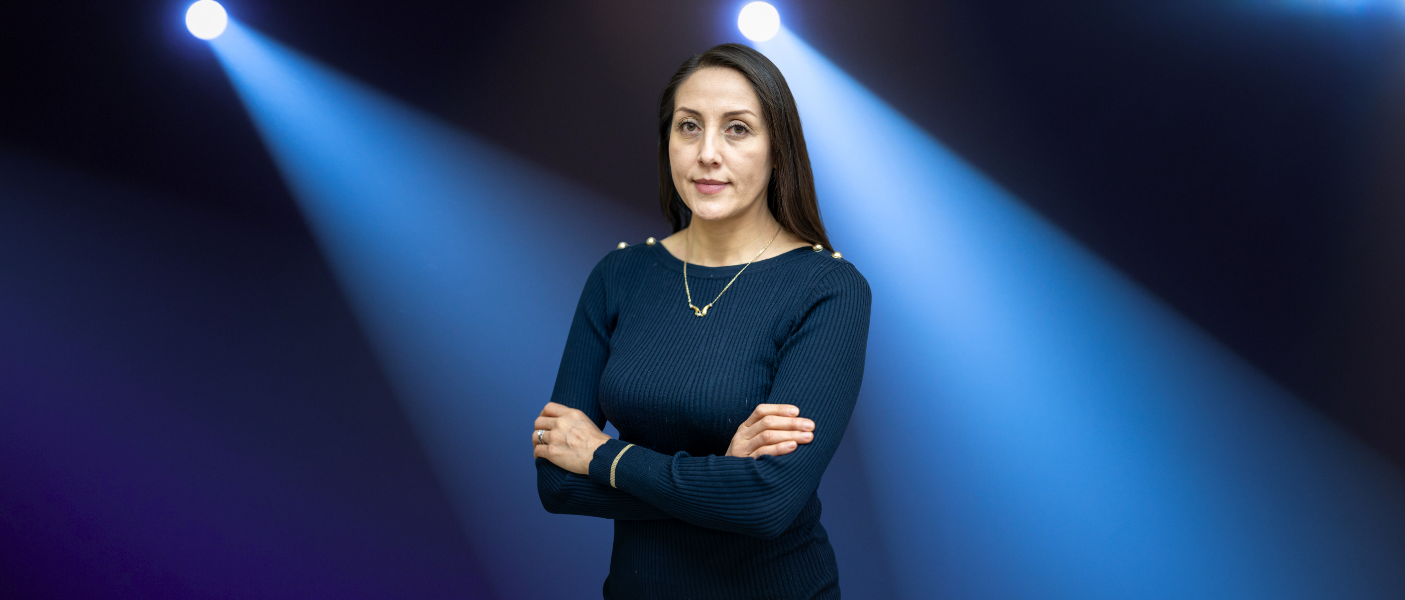
 In January 2026, Jael Miranda Guzman, PhD, assumed her new role as a Research Investigator in the Department of Pathology, a milestone reflecting years of steady progress and determination. This journey encompassed long hours of study, difficult decisions, and a commitment to growth, even when the path was uncertain.
Miranda-Guzman grew up in the Mexico City metropolitan area, where much of her early life required balancing competing responsibilities. As a young adult, she refused to let circumstances define her, despite having to step away from her high school education. She married at 18 and later returned to school to complete her education while raising her daughter, relying on her family's support and a strong sense of purpose.
“I wanted to keep studying,” she says. “I wanted to build something better.”
 Her determination carried her through high school and into college, where the challenges only increased. She commuted more than two hours each way, often spending five hours a day traveling. She worked on weekends to help support her household. At the same time, her family shared in caring for her daughter, creating a network of support that made her education possible.
“We were working toward the same goal,” she says. “It was not just my effort. It was all of us.”
Finding a Path in Science
Her introduction to scientific research came during her required public service work after college. She joined a public health institute where she became involved in research on the dengue virus. The work took her outside of the laboratory and into communities affected by the disease. She visited homes, spoke with families, and helped collect mosquito samples for viral transmission studies.
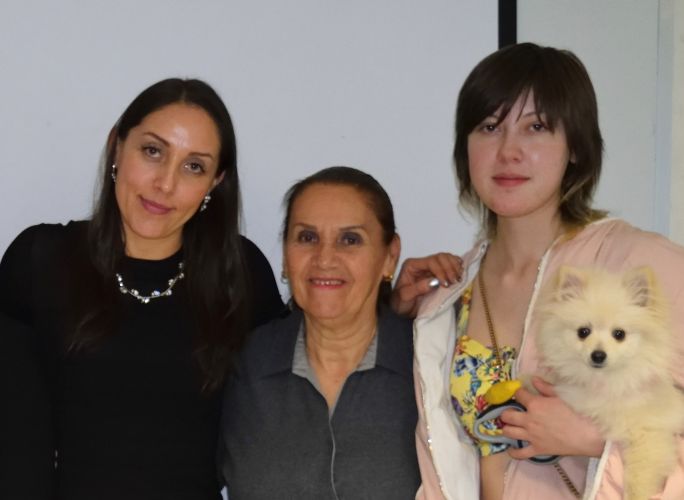 “It helped me understand the difference between data and real life,” she says. “You see how people are affected. You begin to understand why the work matters.”
A key influence during this time was her supervisor, Mauricio Vazquez-Pichardo, MS, whose passion for discovery made a lasting impression.
“He was very curious and very committed to the work,” she says. “That energy stayed with me.”
Motivated by that experience and his encouragement, she pursued graduate study at Centro de Investigación y de Estudios Avanzados del Instituto Politécnico Nacional (CINVESTAV) and continued building her scientific expertise. Her work evolved from studying the dengue virus to examining how viruses interact with the body at the cellular level.
Building Scientific Focus
During her doctoral training, she continued her research on the dengue virus in the lab of Dr. Lorenza González-Mariscal at CINVESTAV. However, when the Zika virus, spread by the same type of mosquitoes as the dengue virus, became prevalent, her research was forced to shift to the Zika virus and its impact on the placenta. She demonstrated that viral infection can break down tight junctions in epithelial cells, allowing the virus, cytokines, and other substances that would normally be contained to cross into the fetal environment. The virus reduced claudin-4 expression, leading to increased permeability and structural changes. This work provided important insight into how viral infections can compromise protective barriers and contributed to a broader understanding of disease progression at the cellular level.
“Even when the project changed, the questions were connected,” she says. “I was always focused on how cells interact and how barriers are affected by disease.”
Transition to Michigan
Her connection to the University of Michigan began through a scientific meeting in Mexico City, where she met Drs. Charles Parkos and Asma Nusrat from the Department of Pathology. Interested in her background, Dr. Nusrat invited her to join their research program for her postdoctoral fellowship.
Although she completed her PhD in early 2020, her move to Ann Arbor was delayed by the global pandemic. Months passed as appointments to get her visa were canceled and rescheduled. Finally, in January 2021, she arrived.
“It was my first time seeing snow,” she says. “It was beautiful. It felt like a new beginning.”
The transition required significant personal sacrifice. She decided to move alone, leaving her young adult daughter and her mother in Mexico.
“That was the most difficult part,” she says. “Being away from them during the pandemic was harder than any challenge in the lab.”
Even so, she continued forward, focused on the opportunity in front of her and the work she had come to do.
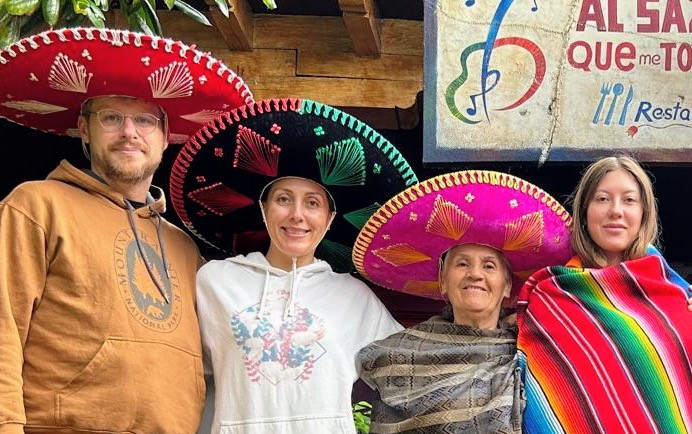 Advancing Research in Inflammation and Healing
Today, Miranda-Guzman’s research focuses on specialized pro‑resolving lipid mediators derived from omega‑3 fatty acids that play a role in both reducing inflammation and promoting tissue repair. Her work demonstrated that the SPM Maresin‑2 is naturally produced during intestinal injury and is actively involved in the healing process. When administered experimentally, Maresin‑2 significantly improved recovery in models of colitis and intestinal injury by promoting epithelial cell migration, a critical step in restoring intestinal barrier integrity. Mechanistically, her research identified that Maresin‑2 enhances epithelial wound repair by activating signaling pathways related to cell adhesion and movement, rather than increasing cell proliferation
“They work in two ways,” she explains. “They help control inflammation and also support tissue repair.”
Her research has demonstrated that these mediators can accelerate healing in the intestinal epithelium and influence immune system activity. She received a Research Fellowship Award from the Crohn’s and Colitis Foundation and continues to build on that work, with additional funding currently under review.
“A key challenge with Maresin-2 is that it is highly unstable and requires ultracold storage, limiting its potential use as a therapy. To address this, we developed a novel delivery approach using biodegradable nanoparticles.”
This follow‑up work showed that encapsulating Maresin‑2 in polylactic acid nanoparticles preserves its biological activity, and the stabilized form remains effective even after storage in standard freezers. The nanoparticles retain the ability to promote intestinal wound healing in vivo. These findings significantly strengthen the potential for real‑world application, positioning Maresin‑2 as a promising therapeutic candidate for diseases such as inflammatory bowel disease. These findings were published in PNAS.
Her promotion to Research Investigator in 2026 reflects both her strong scientific contributions and her continued growth as a researcher.
A Philosophy Grounded in People
While her work is grounded in complex biological systems, her approach to science remains deeply personal.
“For me, it is important to take care of the people behind the science,” she says.
She speaks openly about the challenges she has experienced and the importance of asking for help when needed.
“We sometimes think we have to manage everything on our own, but support is important. It makes a difference.”
She also values the different paths that people bring to scientific work.
“Not everyone has the same background or the same approach to science. That diversity is important. It helps us build better science.”
 Life Beyond the Lab
Outside of her research, Miranda-Guzman has built a new chapter of her life in Michigan. In October 2025, she married Jeremy Brish and became part of a blended family with his two teenage children.
“We are learning how to grow together,” she says. “It is a process, as I come from a different cultural background, but things are going well.”
She remains closely connected to her daughter, who now lives in Tulum, Mexico, working in art and architecture. Their relationship continues to be a source of pride and inspiration.
“My daughter has her own path,” she says. “I have learned so much from the way she sees the world.”
In addition to her work and family life, she has recently embraced a long-held personal goal. As a child, she had dreamed of learning to play the cello, but never had the opportunity. Recently, her husband gave her a cello, and she has begun lessons.
“It is something I always wanted to try,” she says. “Now I finally can.”
Looking Ahead
As she looks to the future, Miranda-Guzman remains focused on expanding her research in inflammation and tissue repair and continuing to contribute to collaborative scientific efforts.
Her path to this point reflects a steady commitment to growth, learning, and perseverance.
“I just keep going,” she says. “Step by step.”
Please join me in congratulating Dr. Jael Miranda-Guzman on her promotion to our faculty as a Research Investigator.
***
Citations:
Miranda J, Martín-Tapia D, Valdespino-Vázquez Y, Alarcón L, Espejel-Nuñez A, Guzmán-Huerta M, Muñoz-Medina JE, Shibayama M, Chávez-Munguía B, Estrada-Gutiérrez G, Lievano S, Ludert JE, González-Mariscal L. Syncytiotrophoblast of Placentae from Women with Zika Virus Infection Has Altered Tight Junction Protein Expression and Increased Paracellular Permeability. Cells. 2019 Sep 29;8(10):1174. doi: 10.3390/cells8101174. PMID: 31569528; PMCID: PMC6829373.
Miranda, J., Brazil, J. C., Morris, A. H., Parkos, C. A., Quiros, M., & Nusrat, A. (2023). Maresin‑2 promotes mucosal repair and has therapeutic potential when encapsulated in thermostable nanoparticles. Proceedings of the National Academy of Sciences of the United States of America (PNAS), 120(4), e2218162120.
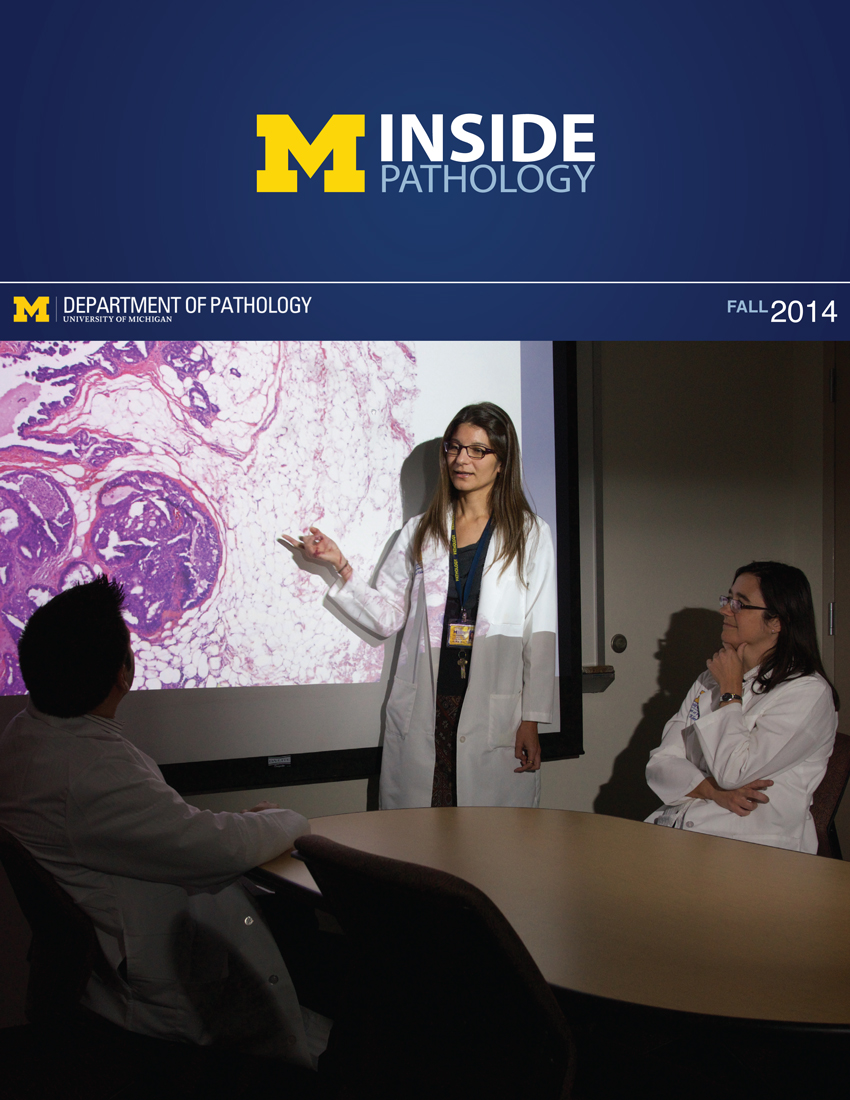 ON THE COVER
Breast team reviewing a patient's slide. (From left to right) Ghassan Allo, Fellow; Laura Walters, Clinical Lecturer; Celina Kleer, Professor. See Article |
newsletter
INSIDE PATHOLOGYAbout Our NewsletterInside Pathology is an newsletter published by the Chairman's Office to bring news and updates from inside the department's research and to become familiar with those leading it. It is our hope that those who read it will enjoy hearing about those new and familiar, and perhaps help in furthering our research. CONTENTS
|
 ON THE COVER
Autopsy Technician draws blood while working in the Wayne County morgue. See Article |
newsletter
INSIDE PATHOLOGYAbout Our NewsletterInside Pathology is an newsletter published by the Chairman's Office to bring news and updates from inside the department's research and to become familiar with those leading it. It is our hope that those who read it will enjoy hearing about those new and familiar, and perhaps help in furthering our research. CONTENTS
|
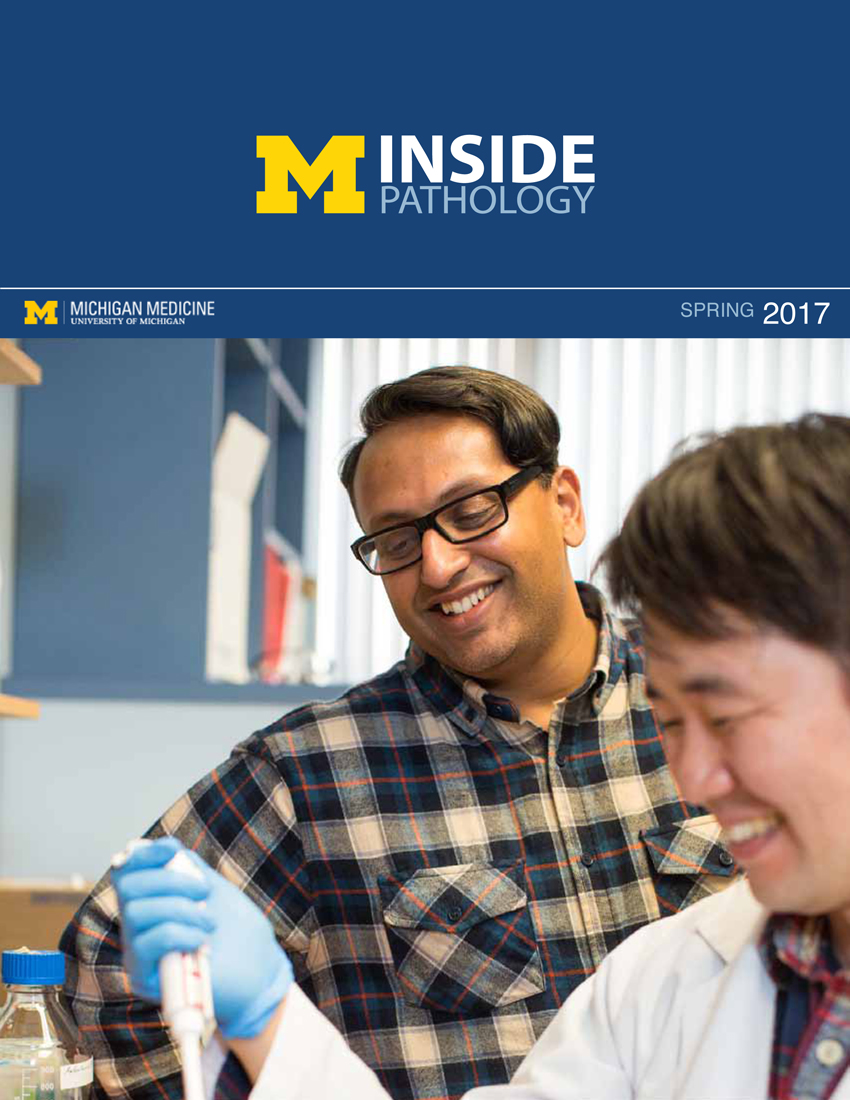 ON THE COVER
Dr. Sriram Venneti, MD, PhD and Postdoctoral Fellow, Chan Chung, PhD investigate pediatric brain cancer. See Article |
newsletter
INSIDE PATHOLOGYAbout Our NewsletterInside Pathology is an newsletter published by the Chairman's Office to bring news and updates from inside the department's research and to become familiar with those leading it. It is our hope that those who read it will enjoy hearing about those new and familiar, and perhaps help in furthering our research. CONTENTS
|
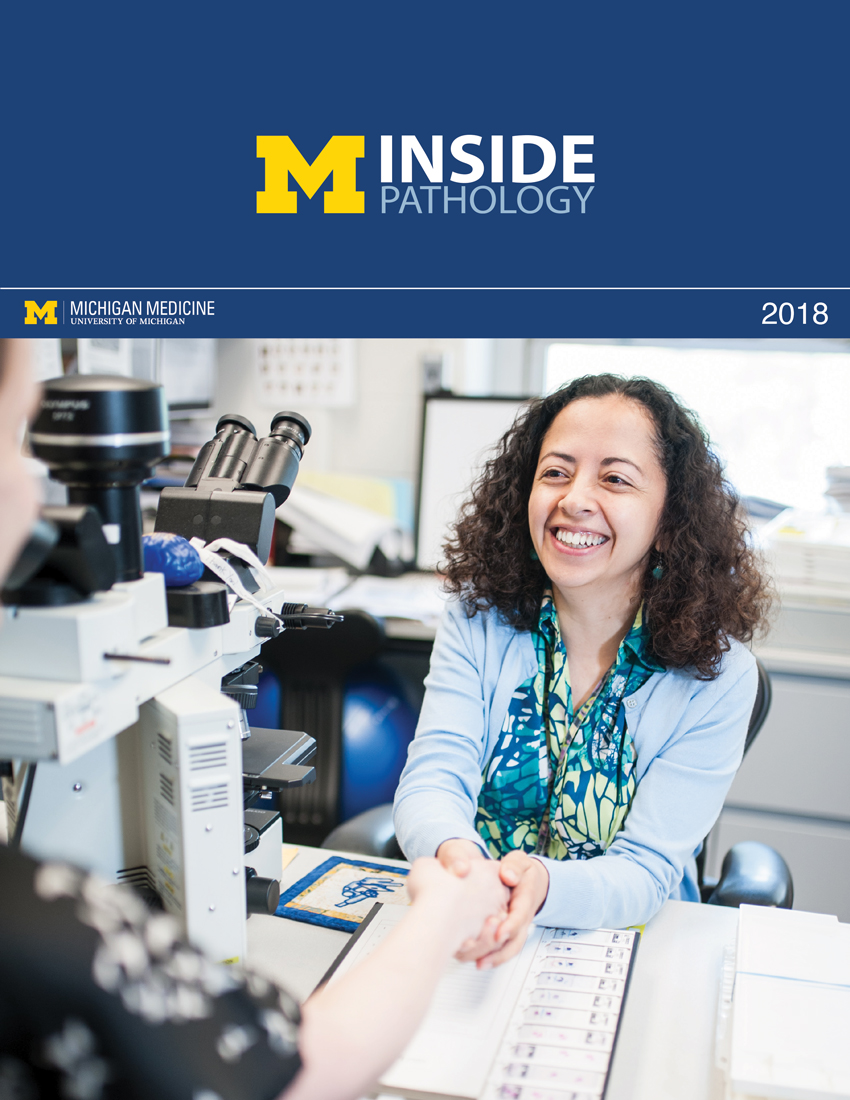 ON THE COVER
Director of the Neuropathology Fellowship, Dr. Sandra Camelo-Piragua serves on the Patient and Family Advisory Council. |
newsletter
INSIDE PATHOLOGYAbout Our NewsletterInside Pathology is an newsletter published by the Chairman's Office to bring news and updates from inside the department's research and to become familiar with those leading it. It is our hope that those who read it will enjoy hearing about those new and familiar, and perhaps help in furthering our research. CONTENTS
|
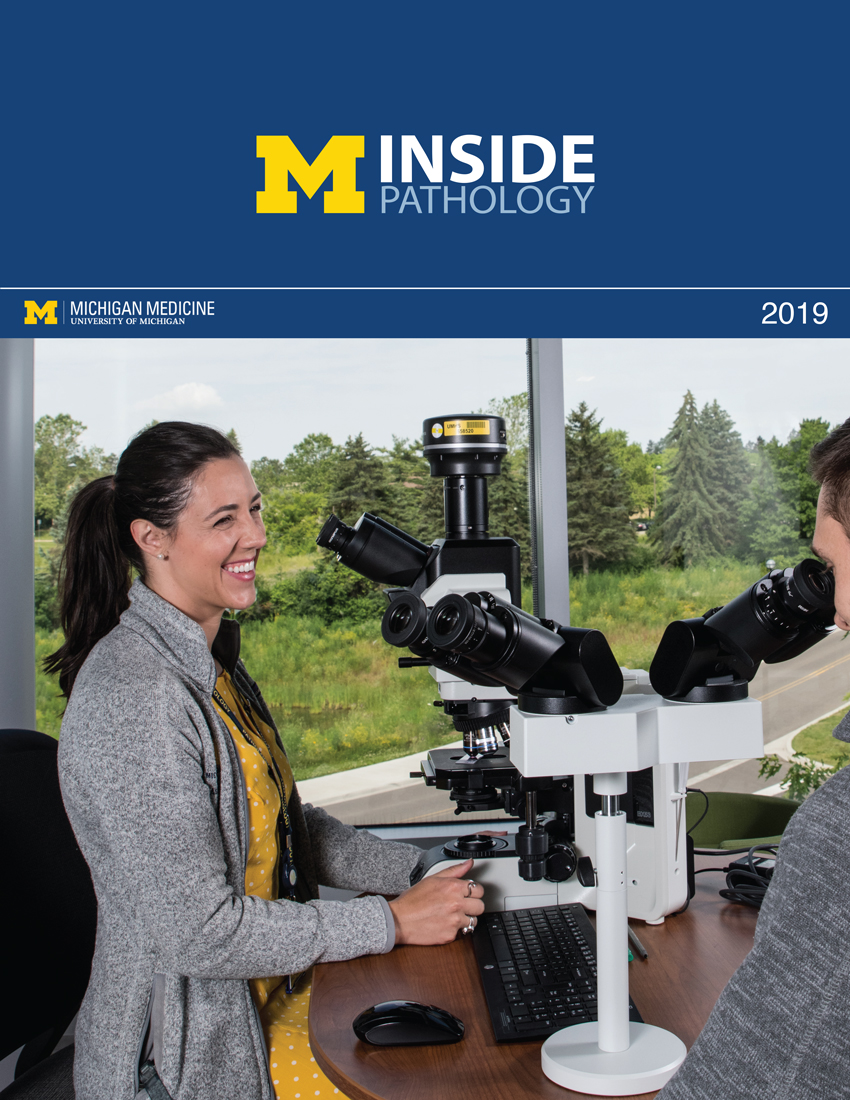 ON THE COVER
Residents Ashley Bradt (left) and William Perry work at a multi-headed scope in our new facility. |
newsletter
INSIDE PATHOLOGYAbout Our NewsletterInside Pathology is an newsletter published by the Chairman's Office to bring news and updates from inside the department's research and to become familiar with those leading it. It is our hope that those who read it will enjoy hearing about those new and familiar, and perhaps help in furthering our research. CONTENTS
|
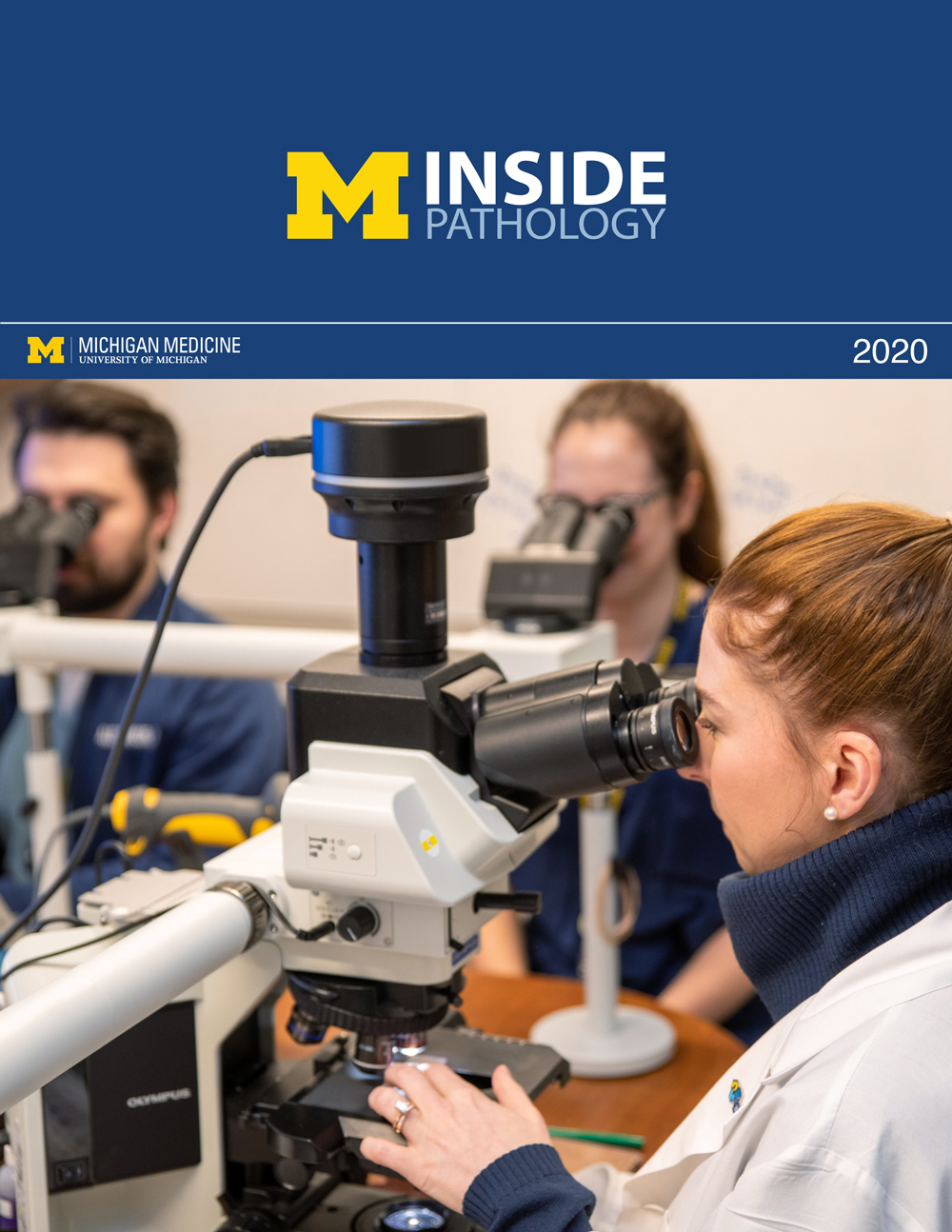 ON THE COVER
Dr. Kristine Konopka (right) instructing residents while using a multi-headed microscope. |
newsletter
INSIDE PATHOLOGYAbout Our NewsletterInside Pathology is an newsletter published by the Chairman's Office to bring news and updates from inside the department's research and to become familiar with those leading it. It is our hope that those who read it will enjoy hearing about those new and familiar, and perhaps help in furthering our research. CONTENTS
|
 ON THE COVER
Patient specimens poised for COVID-19 PCR testing. |
newsletter
INSIDE PATHOLOGYAbout Our NewsletterInside Pathology is an newsletter published by the Chairman's Office to bring news and updates from inside the department's research and to become familiar with those leading it. It is our hope that those who read it will enjoy hearing about those new and familiar, and perhaps help in furthering our research. CONTENTS
|
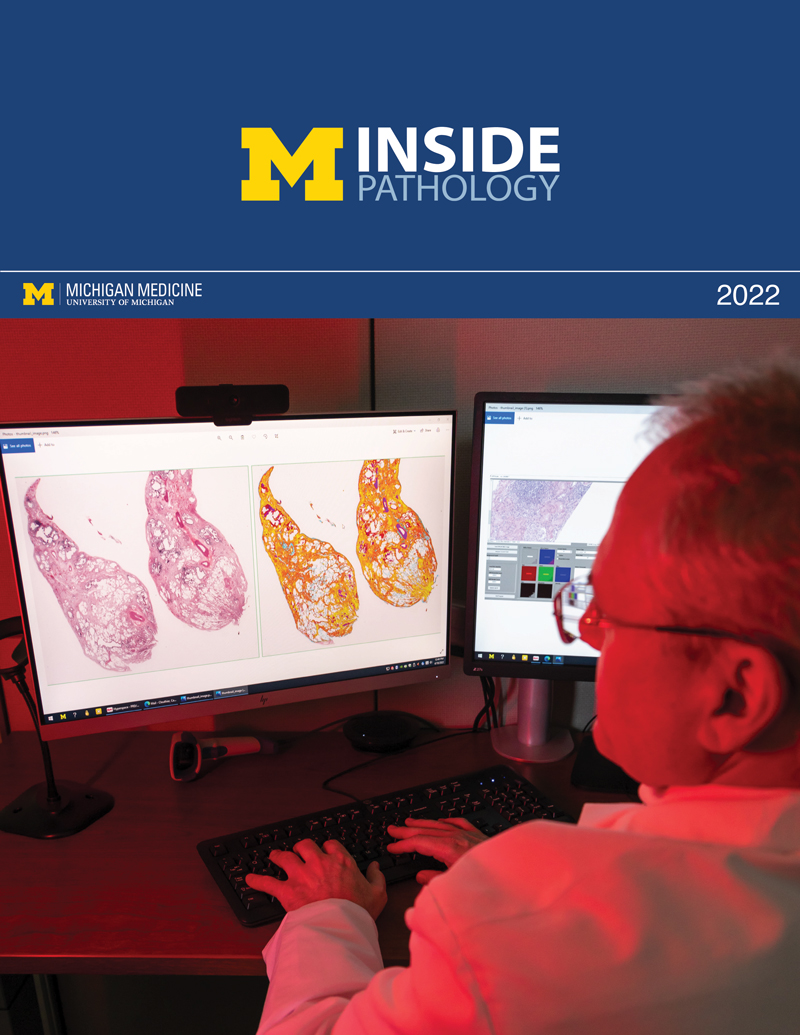 ON THE COVER
Dr. Pantanowitz demonstrates using machine learning in analyzing slides. |
newsletter
INSIDE PATHOLOGYAbout Our NewsletterInside Pathology is an newsletter published by the Chairman's Office to bring news and updates from inside the department's research and to become familiar with those leading it. It is our hope that those who read it will enjoy hearing about those new and familiar, and perhaps help in furthering our research. CONTENTS
|
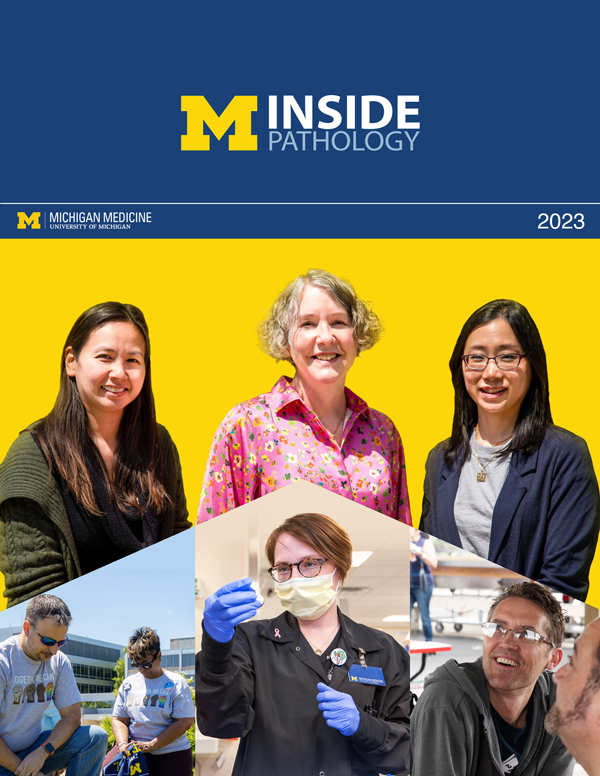 ON THE COVER
(Left to Right) Drs. Angela Wu, Laura Lamps, and Maria Westerhoff. |
newsletter
INSIDE PATHOLOGYAbout Our NewsletterInside Pathology is an newsletter published by the Chairman's Office to bring news and updates from inside the department's research and to become familiar with those leading it. It is our hope that those who read it will enjoy hearing about those new and familiar, and perhaps help in furthering our research. CONTENTS
|
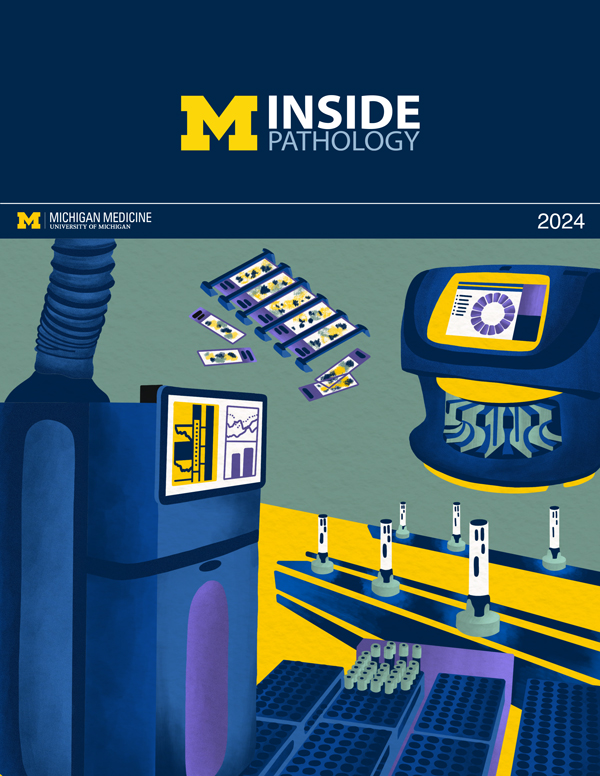 ON THE COVER
Illustration representing the various machines and processing used within our labs. |
newsletter
INSIDE PATHOLOGYAbout Our NewsletterInside Pathology is an newsletter published by the Chairman's Office to bring news and updates from inside the department's research and to become familiar with those leading it. It is our hope that those who read it will enjoy hearing about those new and familiar, and perhaps help in furthering our research. CONTENTS
|
 ON THE COVER
Rendering of the D. Dan and Betty Khn Health Care Pavilion. Credit: HOK |
newsletter
INSIDE PATHOLOGYAbout Our NewsletterInside Pathology is an newsletter published by the Chairman's Office to bring news and updates from inside the department's research and to become familiar with those leading it. It is our hope that those who read it will enjoy hearing about those new and familiar, and perhaps help in furthering our research. CONTENTS
|
MLabs, established in 1985, functions as a portal to provide pathologists, hospitals. and other reference laboratories access to the faculty, staff and laboratories of the University of Michigan Health System’s Department of Pathology. MLabs is a recognized leader for advanced molecular diagnostic testing, helpful consultants and exceptional customer service.